1987 · Album
Guamba
Recorded 1987 · ECM · Produced by Not specified in verified sources
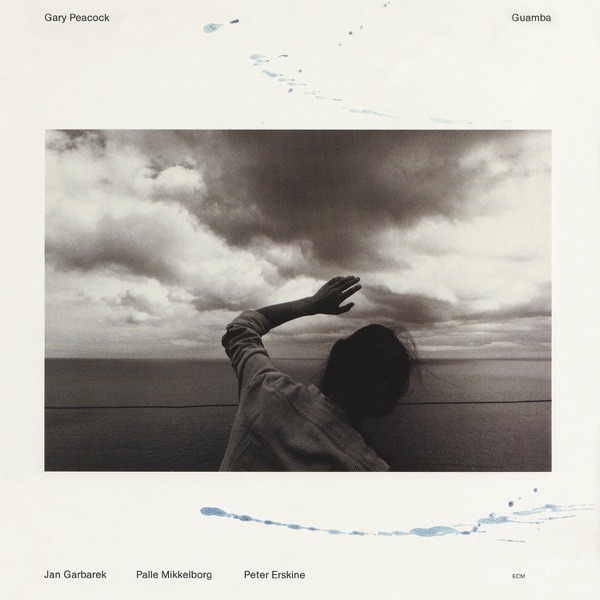
Four Musicians Finding Space in 1987
Peacock, Garbarek, Mikkelborg, and Erskine create something spare and considered, letting silence do as much work as sound.
Guamba moves slowly. There's air between the notes—long stretches where Gary Peacock's bass sits low and patient, waiting. Jan Garbarek's saxophone enters like someone speaking in a quiet room, breathy and searching. Palle Mikkelborg's trumpet is spare, used carefully. Peter Erskine on drums knows when not to play. This is the sound of four musicians who trust each other enough to leave things unfinished, to let a single note breathe for longer than you expect. The mood is contemplative but not gloomy—there's curiosity here, not resignation. It's the kind of session where dynamic range matters more than volume, where texture matters more than speed. Recorded in 1987, Guamba sits late in Peacock's career, when he had already established himself as a bassist of real depth and independence. This isn't a showcase for anyone's technique. It's more like watching four people in conversation, each listening carefully before responding. ECM Records, the label that released it, had a reputation for this kind of patience—for albums that didn't rush. The AllMusic reviewer Ron Wynn gave it four stars, calling it a good late-'80s session, though he noted ECM's occasional tendency to drift into New Age production values. That's fair enough. The album sits in a space between jazz rigor and something more ambient, and depending on your mood, that's either exactly right or slightly too precious. For listeners who know Peacock's work, this is worth seeking out. It's not his most urgent album, but it's one of his most unhurried.


