The Guitarist Who Could Sing
Before the velvet voice and the Grammy wins, Benson was a teenager on the Pittsburgh scene playing with a ferocity that stopped other guitarists cold. He came up absorbing bebop through Wes Montgomery's recordings — the thumb-picked single lines, the octave runs, the sense that melody was something you could stretch and bend without ever losing the thread. But where Montgomery had a Sunday-afternoon glow, Benson burned a little hotter. His breakthrough came with organist Jack McDuff, whose touring band gave the young guitarist a nightly education in blues, soul jazz and hard swing. His early recordings for Verve and then Columbia in the mid-1960s showed a guitarist who understood hard bop and soul jazz in equal measure, and who could swing through a chord change with a fluency that made it look effortless.
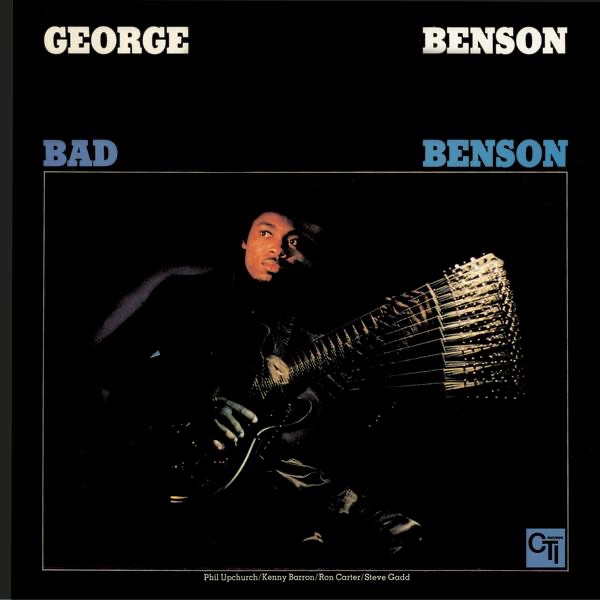
His work with Miles Davis on Miles in the Sky (1968) is the kind of thing that gets mentioned in passing but deserves a closer listen. Benson fits into that electric, restless session without losing himself in it — he's clearly someone Davis trusted to hold a corner of the music without getting in the way. Around the same time, his albums for CTI Records in the early 1970s found him in a lusher, more orchestrated setting, and though some jazz listeners of the era found that suspect, the playing underneath all the strings and brass was still serious. Beyond the Blue Horizon (1971) is a good place to hear him before the pop crossover changed the conversation.
Then came Breezin' (1976) on Warner Bros., and everything shifted. The title track is a gentle, almost lazy guitar instrumental — not a particularly demanding piece of music, honestly — but the album caught a cultural moment when jazz-inflected pop was finding enormous audiences. The real surprise was Benson's vocal performance on 'This Masquerade,' a Leon Russell song that Benson turned into something entirely his own. His voice and his guitar phrasing share the same DNA: both are smooth, confident, and slightly behind the beat in a way that feels deliberate rather than casual. The album sold millions. Jazz purists groaned. Benson largely kept playing jazz anyway, which is the part of the story that doesn't always get told.
What makes Benson genuinely distinctive — and worth spending time with even if you came in through the pop side — is his habit of humming or scatting along with his guitar lines in real time. It isn't exactly Django Reinhardt's moaning, and it isn't Wes Montgomery's thumb — it's a third thing, a way of doubling himself that gives his improvisations an odd, intimate quality, like hearing someone think out loud. On a good night in a live setting, the effect is startling. You realize he isn't just playing notes; he's singing them through the guitar, with his voice trailing just slightly behind or running just slightly ahead, the two not quite in sync in a way that creates its own kind of tension.
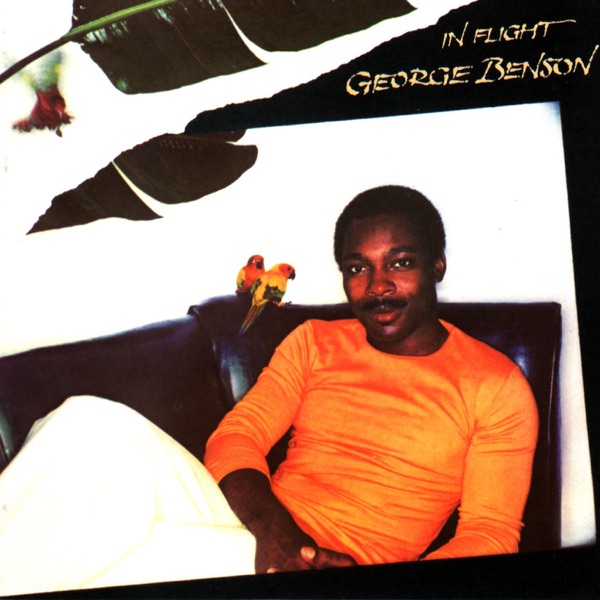
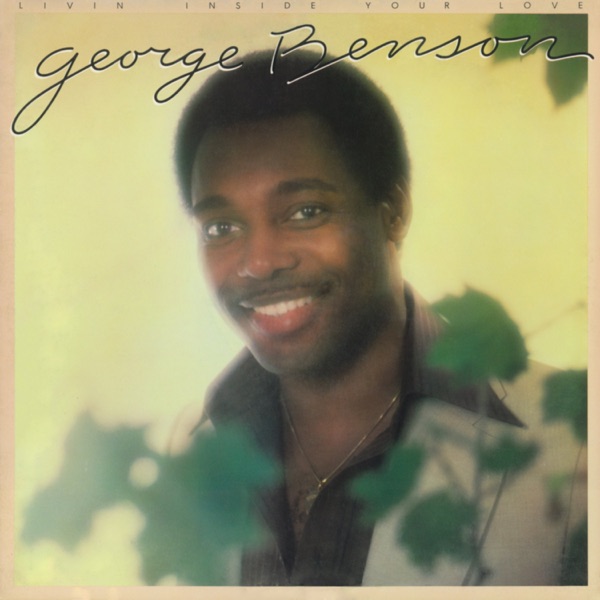
The honest assessment is that Benson made some records in the late 1970s and 1980s that prioritized polish over substance, and the jazz world mostly moved on without him during that stretch. But he never stopped being a remarkable guitarist, and albums like Give Me the Night (1980), produced by Quincy Jones, at least have the good sense to surround the silkiness with real groove. If you want to understand why musicians of his generation speak about him with respect that sometimes surprises casual listeners who only know the hits, start with the early CTI work, then come back to the crossover records knowing what he was capable of. The gap between those two Bensons is smaller than the pop success made it seem.