Where do you listen?
Choose your streaming service
inside the sleeve
Loading…
inside the sleeveITS
⌕
Read About
Arranger / Producer - USA - Hard Bop, Big Band, Soul Jazz

Quincy
Jones

1933 - 2024, Chicago, USA

Quincy Jones spent decades being the most useful person in any room he walked into — as a teenage trumpet prodigy in Seattle, as an arranger rebuilding Count Basie's band on the fly, as the producer who helped Michael Jackson sell records in numbers nobody had seen before. Jazz was where he started, and it never really left him, even when everything else got much bigger and much louder.

SwingHard BopSoul Jazz
Quincy Jones

The Man Behind Everything

Before all the pop and the Grammys and the celebrity dinners, Quincy Jones was a jazz kid from Seattle who could write arrangements faster and better than almost anyone alive. He was studying with Ray Charles as a teenager — both of them teenage musicians in the same Pacific Northwest scene — and by his early twenties he was writing charts for Lionel Hampton's band and touring Europe. His ear was extraordinary, and more importantly, he understood how to make a band feel like a single thing rather than a collection of competing soloists.

His 1950s and early 1960s work as an arranger and bandleader is where jazz listeners should really spend time. Albums like This Is How I Feel About Jazz (1957) and his work with Count Basie show you what he could do when he was still operating primarily inside the jazz world. These are big, swinging, carefully constructed records — not flashy, but deeply satisfying. The arrangements breathe. He knew when to leave space and when to stack the horns up into something enormous.

He moved to Paris for a stretch to study with Nadia Boulanger, which tells you something about how seriously he took the craft. He wasn't just a guy with a good ear; he wanted to understand why things worked. When he came back and started working in New York and eventually Hollywood, that formal grounding showed up in everything — film scores, pop arrangements, jazz albums. The work was always thought through.

By the time he produced Frank Sinatra's It Might As Well Be Swing (1964) with the Basie band, he'd figured out how to translate jazz instincts into something that worked for singers and pop audiences without dumbing anything down. That record still sounds great. It also set a template he'd return to many times — take a legendary performer, surround them with the best players available, and write arrangements that serve the song rather than showing off.

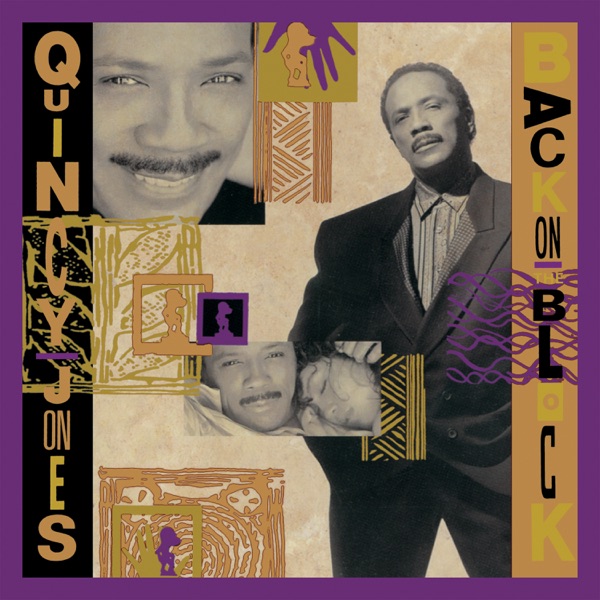
The pop and R&B production work that followed — Michael Jackson, Back on the Block (1989), his own solo records — drew on everything he'd absorbed in jazz without always sounding like jazz. Whether that bothers you probably depends on what you came to him for. If you're a jazz purist it might sting. But if you follow the thread back to his early big band records and his work as an arranger, you can hear a completely coherent musical mind at work across fifty years of American music.

Facts
BornMarch 14, 1933, Chicago, Illinois, USA
DiedNovember 3, 2024, Los Angeles, California, USA
InstrumentTrumpet, Arranger, Producer
Active1950s – 2024
Known forBig band arranging, film scoring, producing artists across jazz, pop, and R&B
Connections
Ray CharlesChildhood friend and early collaborator, Seattle
→
Count BasieArranged and produced several albums, New York
→
Frank SinatraArranger and collaborator, New York / Los Angeles
→
Read more

Discography

40 records
Swedish American All Stars
1953
This Is How I Feel About Jazz
1956
Go West, Man!
Go West, Man!
1957
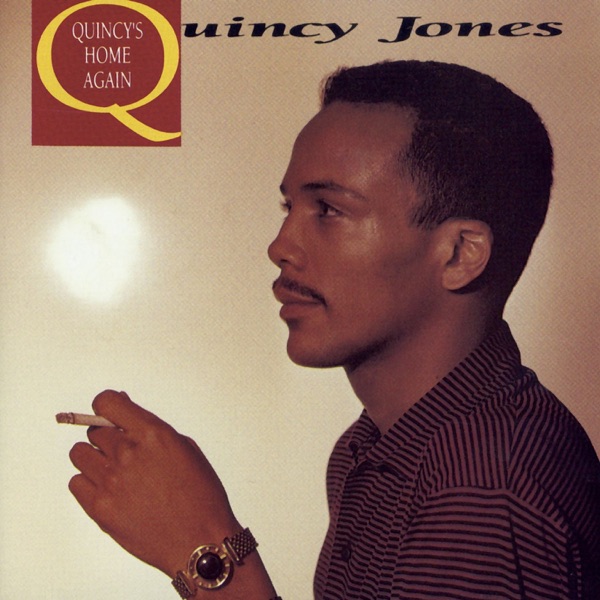
Quincy's Home Again
Quincy's Home Again
1958
The Great Wide World of Quincy Jones: Live!
1959
The Great Wide World of Quincy Jones
1959
The Birth of a Band
The Birth of a Band
1959
♫
I Grandi Del Jazz - Quincy Jones - Body Heat
1959
♫
Stockholm Sweetnin'
1959
Et voilà !
Et voilà !
1959
♫
Live in Zurich 1960
1960
I Dig Dancers
I Dig Dancers
1960
♫
Quincy Jones and His Orchestra at Newport '61
1961
If You Go
If You Go
1961
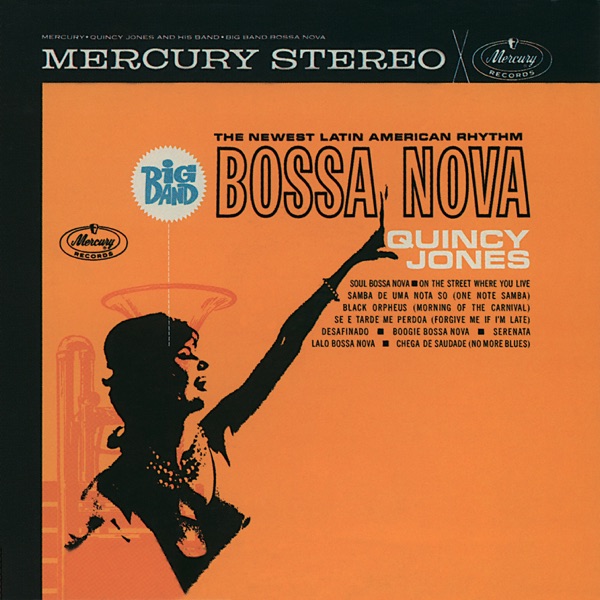
Big Band Bossa Nova
Big Band Bossa Nova
1962
Plays Hip Hits
Plays Hip Hits
1963
Quincy Jones Explores the Music of Henry Mancini
1964
The Deadly Affair (The Original Sound Track Album)
1966
Walking in Space
Walking in Space
1969
Smackwater Jack
Smackwater Jack
1971
You’ve Got It Bad Girl
1973
Body Heat
Body Heat
1974
Ironside
Ironside
1975
Mellow Madness
Mellow Madness
1975
I Heard That!!
I Heard That!!
1976
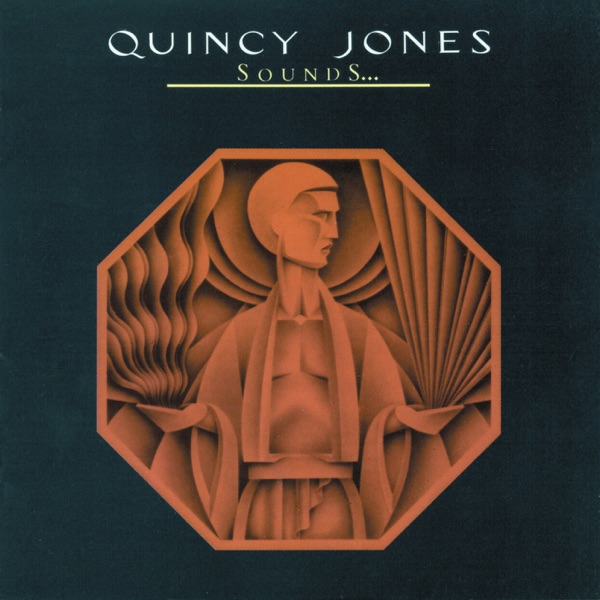
Sounds… And Stuff Like That!!
1978
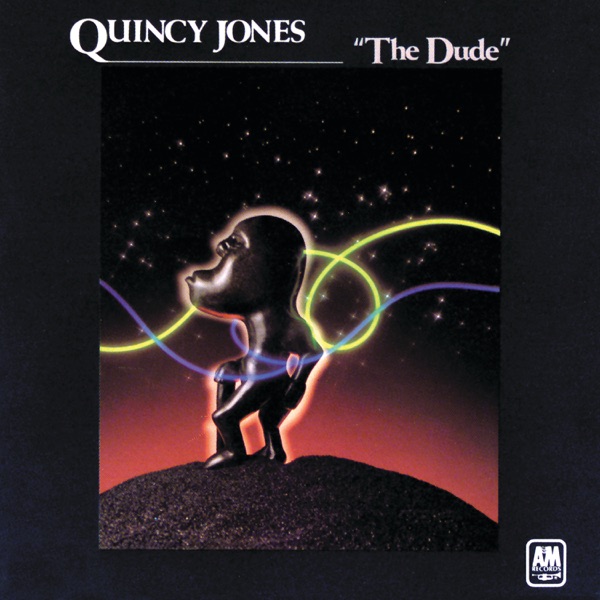
“The Dude”
“The Dude”
1981
Back on the Block
Back on the Block
1989
Gula Matari
Gula Matari
1989
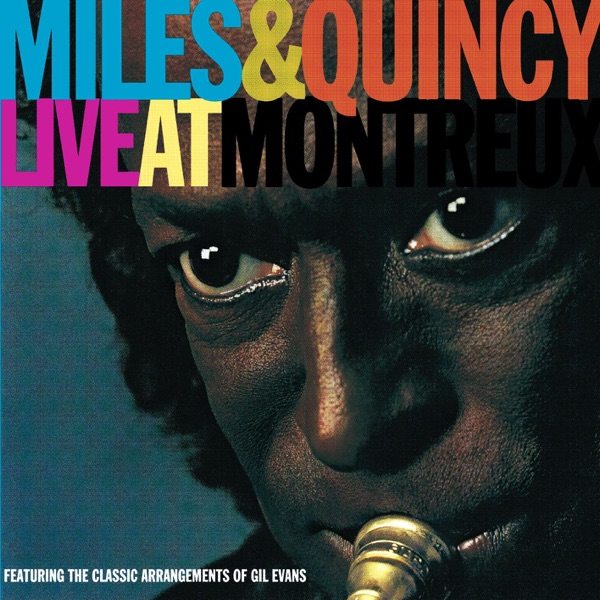
Miles & Quincy Live at Montreux
1993
Q’s Jook Joint
Q’s Jook Joint
1995
♫
Jump for Jones
1996
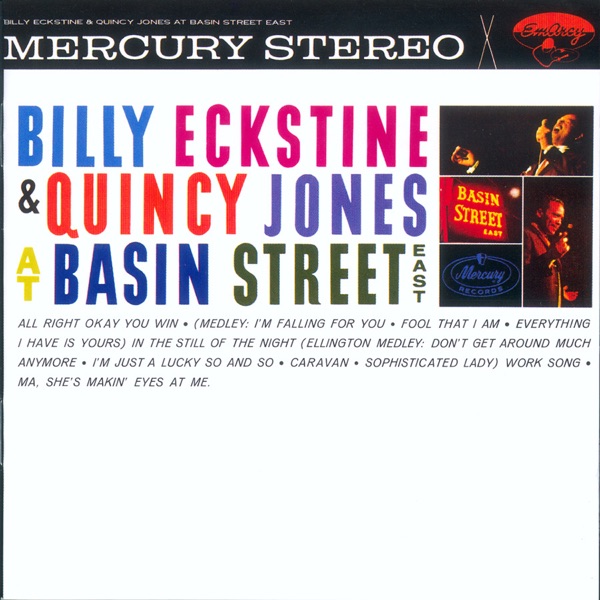
Billy Eckstine & Quincy Jones at Basin Street East
2002
Merry Old Man
Merry Old Man
2002
♫
Quincy Jones + Harry Arnold + Big Band = Jazz!
2006
Q: Soul Bossa Nostra
2010
The Birth Of A Band - Complete Edition
2010
Take 5
Take 5
2010
Live At Budokan
Live At Budokan
2024
♫
Quintessence Oldies Selection
2025

Collaborations

Live on Youtube

Explore Further

Selected connections
Arranger / Bandleader, USA
Gil Evans
If Quincy's big band writing appeals to you, Gil Evans is the other arranger working at the same level in the same era — darker, stranger, but equally meticulous about how a band sounds as a single voice.
Explore →
Album, 1964
It Might As Well Be Swing
Quincy Jones arranging for Frank Sinatra with the Count Basie orchestra. A perfect example of his ability to serve a performer without losing the jazz feeling entirely.
Explore →

Who's playing
Listen next
Recording Info
Track listing
Musicians
Further Reading
Read more

Where next?

More by this artist

Albums with the same musicians

From the same era

Similar artists

inside the sleeve
Growing
Jazz, explained without pretension.
Read · Follow the connections · Press play
Right now: 7,100+ albums · 440+ artists
Start here
New to jazz? These artists are good places to start.
Loading…
Explore
Nine records worth getting lost in.
Born today
Album of the day
A landmark record, every day.
Read
  • Loading…
Article archive →
Recently added
Purpose
Inside the Sleeve is your companion on a journey through jazz — not a textbook, but something closer to a knowledgeable friend sitting next to you while you listen. Read about an artist, press play, follow a connection, discover an album you didn't know you needed.
Suggestions
Read

Articles

Essays, guides, and lists about jazz and the records that matter.

Loading…

Genre

Key Artists
Further Reading

Essential Albums

Related Genres

In This Genre

About

Inside the Sleeve

Work in progress

Inside the Sleeve grows continuously — new artists and albums are added, essays refined, as visitors explore and our editors follow up on what they find. Content, features, and design are still evolving; use the Report error button on any page to flag something that seems off.

Content

Every artist, album, and release date on Inside the Sleeve is real — verified against trusted sources including MusicBrainz and Wikipedia. We don't invent discographies or fabricate records. AI compiles that verified information into readable prose — essays on artists, albums, and the music itself. We can't manually review every essay before publishing, but every reported error is checked by a human editor.

Inside the Sleeve is not a review site. We're not here to rate or rank — we're here to guide you in. Where an album stands out, we'll say so. Where an artist changed everything, you'll know why. But we won't tear anything down. Jazz history is complex and sources sometimes disagree — if you spot something that seems off, please report it.

Streaming

Inside the Sleeve links to Spotify and Apple Music so you can listen while you read. These are not affiliate links. For Spotify, links open a search on open.spotify.com — we do not have direct links to specific recordings. For Apple Music, direct links are used where available, otherwise a search is opened.

Your choice of streaming service is stored locally in your browser only. It is never sent to our servers.

We're working on deeper Spotify integration, including direct links to specific recordings.

Privacy

Inside the Sleeve does not collect personal data and does not use cookies. We count page visits anonymously using a self-hosted analytics tool — no personal identifiers are stored, and the data never leaves our own server. The only preference stored on your device is your streaming service choice, saved locally in your browser and never transmitted.

When you submit a suggestion or error report, the text you write is stored in our database. No name or email is required or collected unless you choose to provide one.

Third-party services

Spotify and Apple Music are independent services with their own terms of use and privacy policies. Inside the Sleeve is not affiliated with or endorsed by either company.

Support

Inside the Sleeve is free and ad-free. If you enjoy it, a coffee helps cover server costs and keeps the project going.

Amazon

Some book recommendations on Inside the Sleeve link to Amazon. Buying through these links costs you nothing extra — but Amazon pays us a small commission, which goes directly towards keeping the site running. It's a simple way to support the project if you were going to buy the book anyway.

As an Amazon Associate, Inside the Sleeve earns from qualifying purchases.

Questions or feedback? Use the suggestion box on the front page.

Inside the Sleeve — A guide for those who want to go beyond the obvious About & Privacy