1959 · Album
The Great Wide World of Quincy Jones: Live!
Mercury Records · Produced by Quincy Jones

When Quincy Opened His Great Wide World
A live session that catches Jones and his ensemble swinging hard, no overdubs, just the room and the moment.
The session was captured live, a snapshot of Quincy Jones at work with a tight ensemble in real time. There's no studio polish here, no second takes or overdubs — just Buddy Catlett on double bass anchoring the rhythm, Patti Bown at the piano, and Les Spann on acoustic guitar keeping the harmonic bed warm. Eric Dixon and Budd Johnson trade tenor saxophone lines with the kind of ease that only comes from playing together regularly, while Benny Bailey and Paul Cohen split trumpet duties, and Curtis Fuller brings the trombone weight that holds everything together. This was Jones early in his career as a bandleader, before he became the all-powerful producer of later decades. The recording captures something direct about his vision — not showy, not overreaching, just good musicians playing good material with genuine swing. Jones had already begun charting singles and albums in the top 40, but this live date shows where his real interests lay: in building ensembles that could breathe together, in arrangements that gave players room to stretch without falling apart. The album documents a working band at a moment when live recording was still the truest way to capture what a group actually sounded like. For listeners getting to know Jones beyond his massive studio work, this is a useful entry point — it shows his orchestral instincts without the layers of production that would define his later career.
Who's playing
Buddy Catlettdouble bass
Patti Bownpiano
Les Spannacoustic guitar
Eric Dixontenor saxophone
Budd Johnsontenor saxophone
Joe Lopesalto saxophone
Sahib Shihabbaritone saxophone
Benny Baileytrumpet
Paul Cohentrumpet
Rolf Ericsontrumpet
Freddie Hubbardtrumpet
Curtis Fullertrombone
Melba Listontrombone
Åke Perssontrombone
Stu Martindrums
Julius WatkinsFrench horn
Where next?
More by Quincy Jones
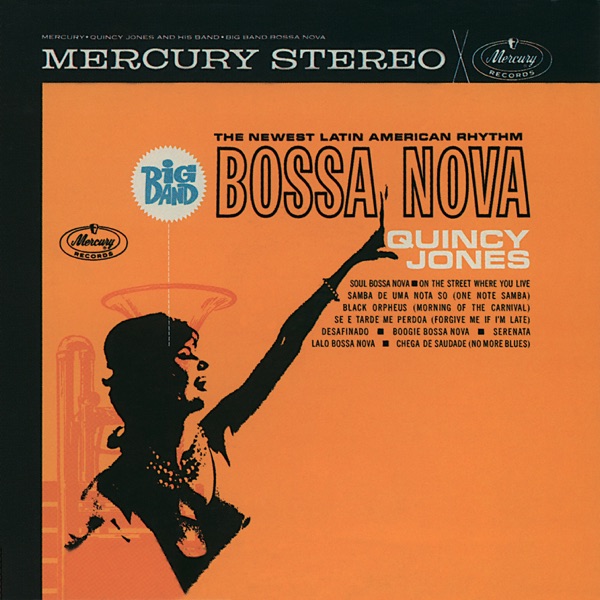
Big Band Bossa Nova 1962
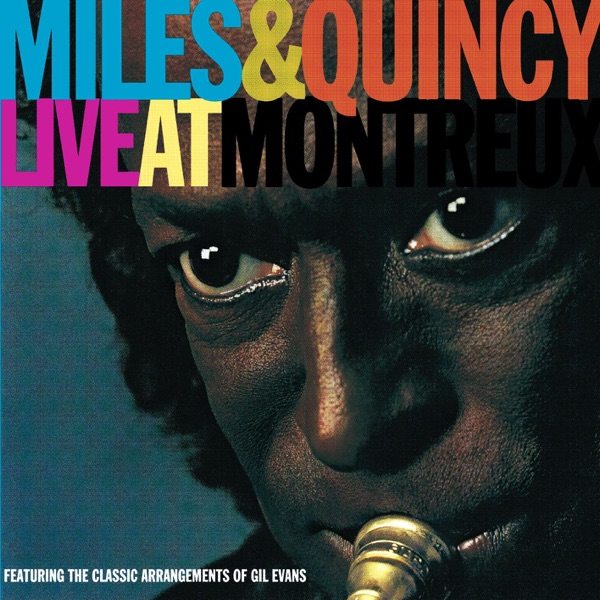
Miles & Quincy Live at Montreux 1993
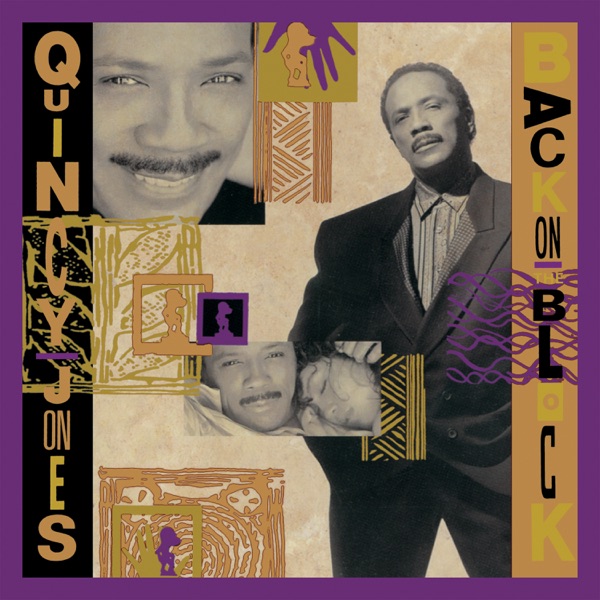
Back on the Block 1989

Walking in Space 1969
The musicians on this record
Their own records, close in time



