Television's Unsung Composer Becomes a Studio Innovator
Jones turns a TV composer's day job into a vehicle for sophisticated studio arranging and ensemble play.
By 1971, Quincy Jones had already spent years scoring television—work that paid bills and built reputation but rarely made albums. Smackwater Jack changes that equation. The album isn't a collection of soundtrack themes packaged for collectors; it's a proper studio session where Jones brings his TV orchestration skills into the jazz and soul world, and the result sits somewhere between soundtrack work and straight jazz arranging. The presence of Jack Jackson on vibraphone gives the record a particular texture—warm, conversational, never overplayed. Jackson doesn't dominate; instead, he threads through the arrangements as another color in an already rich palette, which is exactly what makes this record work. Jones constructs space for him, and for other players, without any of them needing to prove anything.
The album includes theme music for Ironside and The Bill Cosby Show, but these aren't filler or nostalgia grabs. They demonstrate how Jones thinks about melody and orchestration—how a television composer learns to balance mass appeal with genuine musicianship. AllMusic gave the album 4.5 out of 5 stars, recognizing that Jones had made something that functions as both professional craft and genuine artistic statement. The Penguin Guide to Jazz Recordings took a cooler view, rating it 2.5 out of 4, which tells you this record lives in a territory that strict jazz purists found uncertain.
This isn't his most experimental work, nor is it required listening for understanding Jones's broader importance. But it captures him at a moment when he was confident enough to let TV work feed into studio albums without apologizing for the crossover. The arrangements breathe. The musicians sound like they're playing together, not competing.
Who's playing
Where next?
More by Quincy Jones
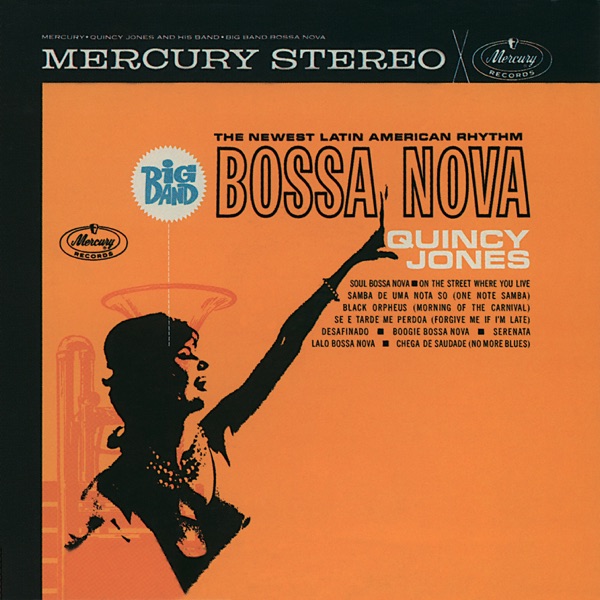
Big Band Bossa Nova 1962
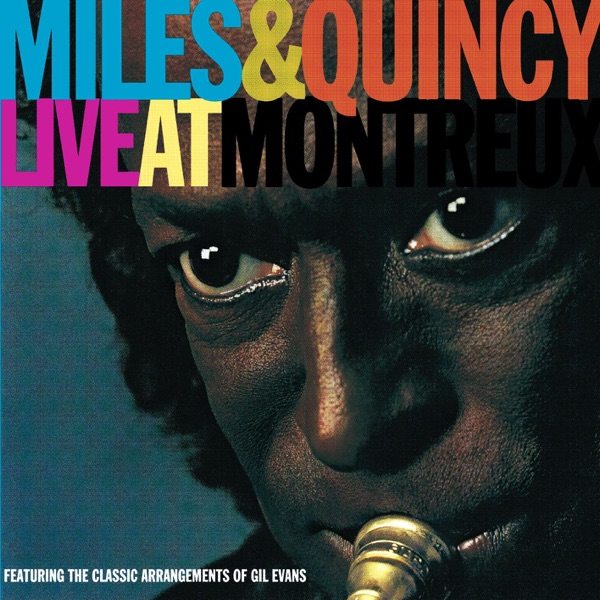
Miles & Quincy Live at Montreux 1993
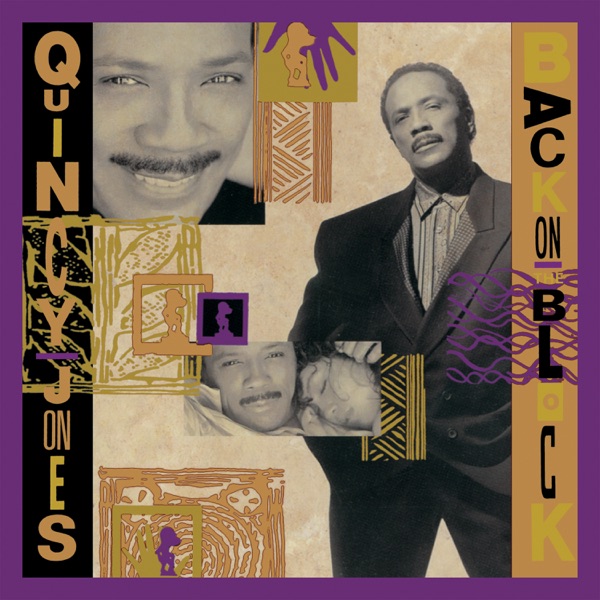
Back on the Block 1989

Walking in Space 1969
The musicians on this record
Their own records, close in time