1961 · Album
Quincy Jones and His Orchestra at Newport '61
Recorded 1961 (Newport Jazz Festival) · Mercury Records · Produced by Quincy Jones
Jones at Newport: Live Orchestral Command
A chance to hear Jones conduct in real time, leading an orchestra through sophisticated arrangements with precision and swing.
By 1961, Quincy Jones had already established himself as a force across multiple domains — as an arranger, composer, and producer working with major artists. Quincy Jones at Newport '61 captures him in a setting where all those skills converge: conducting his own orchestra in front of a live audience at one of jazz's most prestigious venues. This is not a studio project where takes can be refined and spliced together. This is Jones doing the work he had been building toward — commanding a full ensemble through complex, carefully written charts with the kind of precision that made him valuable to so many singers and bandleaders.
The album sits at an interesting moment in his career. He was still in his mid-thirties, established but not yet the dominant figure in popular music he would become. The Newport setting itself mattered — the festival had become the place where jazz was taken seriously, where orchestral ambition was not just accepted but expected. Jones brought that ambition to the stage. The arrangements are intricate without being cluttered, and the orchestra responds with the kind of discipline and swing that suggests real rehearsal and mutual understanding. There's no padding here, no sense of a group working through unfamiliar material.
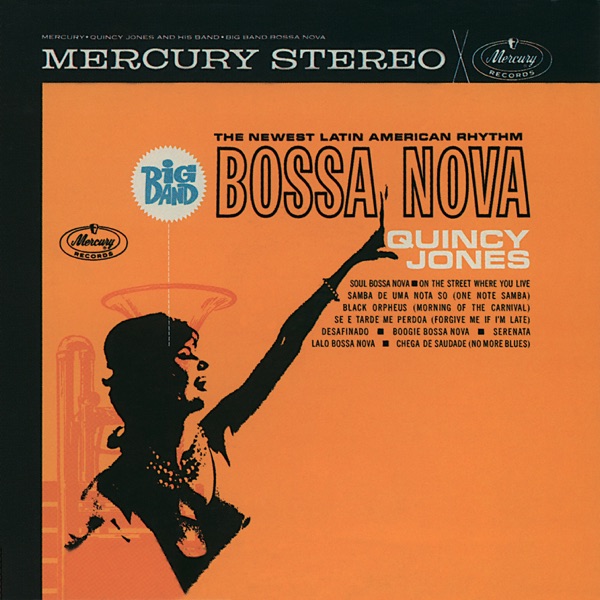
For listeners curious about Jones before his monumental work as a hitmaker and film composer, this record offers something direct: a look at his skills as a conductor and orchestrator in a live context. It's not necessarily the entry point to his catalog — that might be his work on Big Band Bossa Nova (1962) or his later film scores — but it's a solid document of what he could do when given musicians, time, and an orchestra to shape.
Who's playing
Art Davisdouble bass
Patti Bownpiano
Joe Lopesalto saxophone
Pat Patrickbaritone saxophone
Phil Woodsalto saxophone
John Bellotrumpet
Jimmy Maxwelltrumpet
Joe Newmantrumpet
Jimmy Nottinghamtrumpet
Paul Faulisetrombone
Curtis Fullertrombone
Melba Listontrombone
Britt Woodmantrombone
Stu Martindrums
Eric Dixonwoodwind
Jerome Richardsonwoodwind
Julius WatkinsFrench horn