2010 · Album
Q: Soul Bossa Nostra
Released: November 9, 2010 · Type: Studio album · Note: Jones's final album; references his 1962 instrumental track "Soul Bossa Nova"
Quincy's Final Call: A Bossa Legacy Revisited
Soul Bossa Nostra stands as Quincy Jones's last studio statement, a full-circle return to the sound that defined his name.
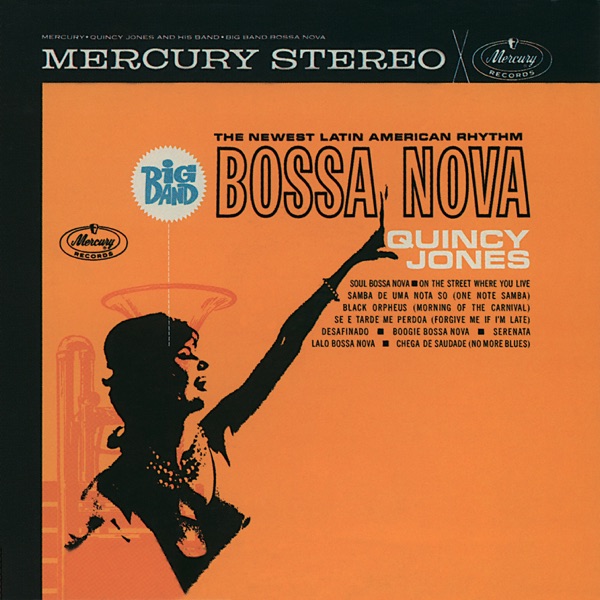
Quincy Jones titled this 2010 album after his own 1962 instrumental "Soul Bossa Nova," a track so perfectly pitched between sophistication and accessibility that it became the sound of American cool itself. By returning to that title nearly fifty years later, Jones was not trying to recapture youth or prove he still had it. He was acknowledging a continuity. The album gathers contemporary artists around production and arrangements that respect the bossa nova's essential formula—rhythmic precision, melodic warmth, and that specific kind of relaxation that only comes from technical mastery.
This was Jones's final album, which gives it weight that lingers after listening. Not because final albums are automatically important, but because Jones had earned the right to choose his last word. The collaborations here are not desperate grabs at relevance; they feel chosen, deliberate. What matters is that Jones could still organize sound in ways that made space for others to sound better. He was not competing with his guests. He was conducting.
Soul Bossa Nostra is not a masterpiece, and it does not need to be. It is a competent, pleasure-giving record made by someone who understood his own reach and did not overstay it. For listeners already deep in Jones's catalog, it serves as a capstone. For newcomers, Moanin' (1958) or his work on the In Cold Blood soundtrack would be better entry points. But for those who know him well, this final bossa statement completes something that had been circling since 1962.
Who's playing
Erick Coomeselectric bass guitar
Justin KeittRhodes piano
Tyler Coomespercussion
Don Williamsvibraphone
David Bannerinstrument
Warryn Campbellinstrument