The Guy Who Always Knew
Sinatra's voice isn't the first thing to understand about him — his phrasing is. He learned breath control from studying Tommy Dorsey's trombone playing, which sounds like an odd thing to say, but listen to him hold a note across a bar line and you'll hear exactly what that means. He didn't just sing the melody; he leaned on certain words, threw others away, and made choices that other singers didn't think to make. It's subtle, but once you notice it, you can't unhear it.
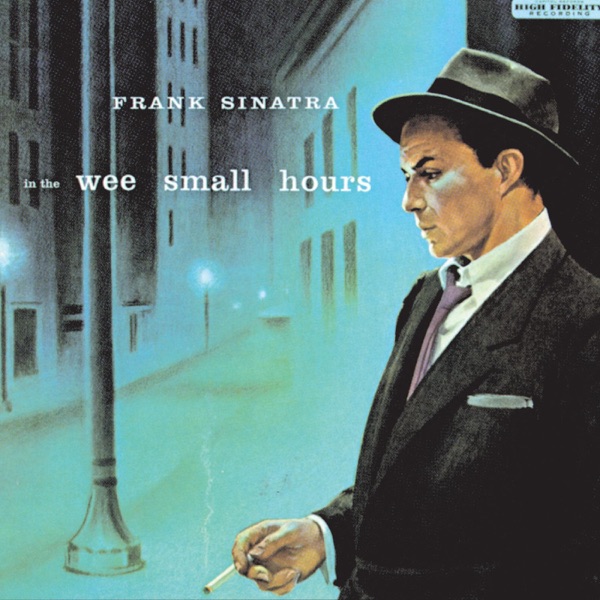
His Capitol Records years in the 1950s are where most serious listeners want to start. Working with arranger Nelson Riddle, Sinatra made a run of concept albums — In the Wee Small Hours (1955), Songs for Swingin' Lovers! (1956), Only the Lonely (1958) — that feel like complete emotional experiences rather than collections of songs. The up-tempo stuff swings hard, almost brassy and cocky. The ballad records are genuinely sad, not in a theatrical way but in a specific, late-night-alone way. Riddle's arrangements give everything space and weight without ever overwhelming him.
The Tommy Dorsey years earlier in his career matter too, even if they feel a little glossy by comparison. The young Sinatra singing with a big band is charming and technically impressive, but he was still figuring out who he was. The Capitol run is when he figured it out. His voice had also dropped and darkened a little by then, and it suited the material better — he didn't sound like a kid anymore, he sounded like someone who'd been around.
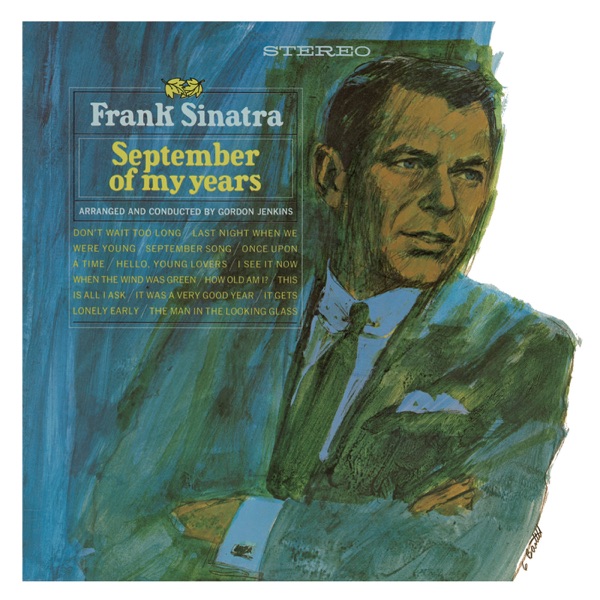
His Reprise years from the 1960s onward are more uneven. There's great stuff — September of My Years (1965) holds up, and the Francis Albert Sinatra & Antonio Carlos Jobim (1967) collaboration is genuinely lovely and understated. But there are also some records that feel like he was coasting or chasing trends. The duets he made late in his career are probably best left alone. That said, his live performances stayed strong well into the 1970s — he was a different kind of singer in a room, more spontaneous and funny than the studio records suggest.
What's worth remembering is that the songs he recorded — by Cole Porter, Rodgers and Hart, Jimmy Van Heusen, Johnny Mercer — would have survived without him, but a lot of them wouldn't mean what they mean now if he hadn't gotten to them first. He didn't write any of it. He interpreted it, and interpretation turns out to be most of the job.