The Quiet Architect of Bossa Nova
If you only know Antonio Carlos Jobim from elevator music versions of 'The Girl from Ipanema,' you're missing the whole point. The guy was a serious composer who happened to write melodies so smooth and effortless-sounding that people mistake them for simple. They're not simple. Listen closely to the chord changes under 'Corcovado' or 'Insensatez' and you'll hear someone who studied Villa-Lobos and Debussy and then figured out how to smuggle that harmonic sophistication into a three-minute pop song about heartbreak or a walk on the beach.
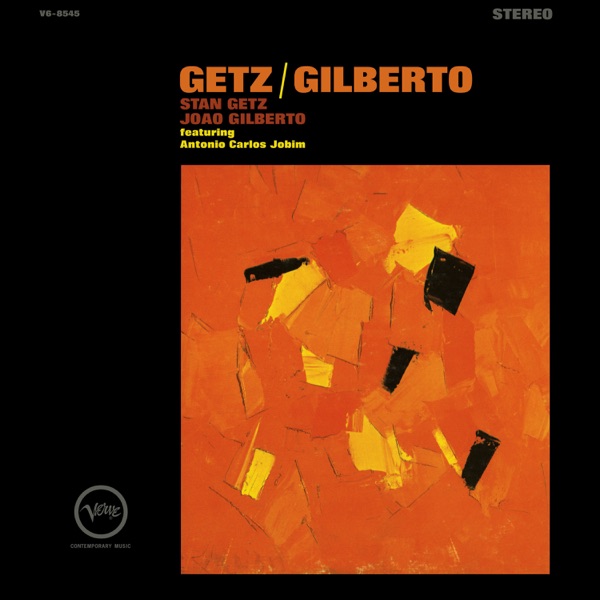
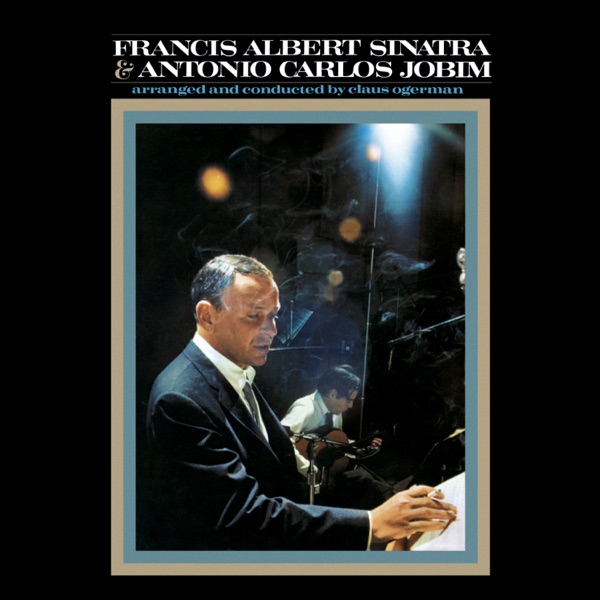
Jobim grew up in Rio, played piano in nightclubs, and by the late 1950s was writing songs with Vinicius de Moraes that would become the backbone of bossa nova. The music itself is deceptively laid-back: soft guitar strums, understated piano, vocals that barely rise above a whisper. But underneath that calm surface is a harmonic language full of extended chords and unexpected turns that jazz musicians immediately recognized as kindred material. When Stan Getz and João Gilberto recorded Getz/Gilberto (1964), American audiences finally caught on, and Jobim tunes became instant standards, covered by everyone from Frank Sinatra to Bill Evans.
What makes Jobim's writing so durable is that the melodies work no matter how you dress them up. Play 'Wave' as a bossa nova shuffle or stretch it into a modal jazz exploration and it still holds together, because the tune itself is doing the heavy lifting. That's rarer than people think. A lot of songs need a specific groove or arrangement to survive; Jobim's songs survive translation, survive tempo changes, survive being played badly in hotel lobbies for fifty years and still sound good when the right musician picks them back up.
He wasn't a flashy pianist and he knew it. His own recordings, like Wave (1967) or Stone Flower (1970), favor restraint over showmanship, letting the compositions and the arrangements (often gorgeous, sometimes with strings) carry the weight. That restraint is the whole aesthetic. Bossa nova at its best is about understatement, about singing softly instead of shouting, and Jobim never abandoned that even as the genre got commercialized and diluted into background music.
If you want to actually understand why musicians still bow down to this guy, skip the greatest-hits comps and go find Antonio Carlos Jobim: The Composer of Tom Jobim Plays (1963), where he plays his own material with just enough jazz inflection to remind you these are real compositions, not postcards. He gave jazz musicians a whole new set of harmonic puzzles to solve, wrapped in melodies warm enough that nobody minded doing the homework.