1970 · Album
Stone Flower
Recorded March, April, and May 1970 at Van Gelder Studios · CTI Records · Produced by Creed Taylor

Deodato's Arrangements Reshape Jobim's Vision
Deodato strips away excess and lets Jobim's melodies breathe over crisp, modern arrangements.
Eumir Deodato's fingerprints are all over Stone Flower, and that matters because this is not a conventional Jobim record. As arranger and conductor, Deodato strips away the lush orchestration Jobim had favored in earlier work, replacing it with cleaner lines and a sharper focus on individual instrumental voices. The result is an album that feels both intimate and precisely controlled — less a string-heavy showcase, more a conversation between master composer and modernist arranger.
Jobim himself plays guitar throughout, but the real architecture belongs to Deodato. His arrangements for Hubert Laws on flute and Harry Lookofsky on violin create spaces that earlier Jobim records would have filled with strings. Ron Carter on bass and João Palma on drums anchor everything in a groove that's tighter and more deliberate than the looseness Jobim sometimes indulged. Airto Moreira and Everaldo Ferreira add percussion textures that push the album toward something almost funky by 1970 standards — a sound far removed from the bossa nova fixtures of the early sixties.
Stone Flower sits in an odd place in Jobim's catalog. It came after he'd already established himself as a master, yet it doesn't feel like a victory lap. Instead, Deodato's arrangements suggest a restless reassessment: what happens when you take these perfect melodies and ask a younger ear to reshape them? The album was well-received, but it remains less familiar than his Blue Note work, which makes it worth seeking out precisely because it's a road not taken.
Who's playing
Ron Carterdouble bass
Eumir Deodatoguitar
Antônio Carlos Jobimguitar
Urbie Greentrombone
Hubert Lawsflute, solo
João Palmadrums
Everaldo Ferreirapercussion
Airto Moreirapercussion
Harry Lookofskysolo, violin
Where next?
More by Antonio Carlos Jobim
All 37 albums →


The musicians on this record
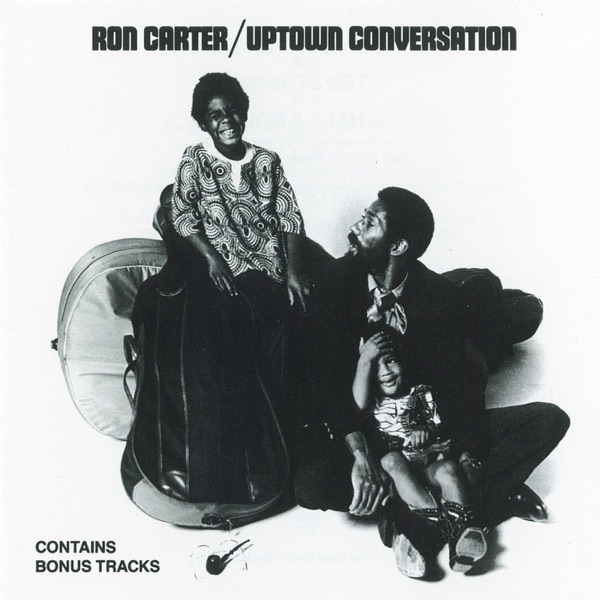
Uptown Conversation 1969
Ron Carter
plays double bass here
plays double bass here
♫
Natural Feelings 1970
Airto Moreira
plays percussion here
plays percussion here


