
Jobim's Lush American Experiment at Seventy
A sweeping orchestral reimagining of Jobim's genius, arranged for the American studio and ear.
By 1970, Jobim had already secured his place as one of the century's greatest songwriters. Tide arrives as a late-career statement, a deliberate pivot toward the American orchestral tradition rather than a return to bossa nova roots. Working with Eumir Deodato at the piano and a sizeable ensemble including strings, brass, and percussion led by Airto Moreira, Jobim crafted something lush and unabashedly romantic—far removed from the lean trio formats and cool jazz mergers that had defined his earlier work.
The album assembles world-class players: Ron Carter on bass anchors the harmonies, while trumpeters Burt Collins and Marvin Stamm, trombonists Garnett Brown and Urbie Green, and reed players including Joe Farrell and Hubert Laws weave around Jobim's melodies and Deodato's orchestrations. The result feels cinematic and deliberate, each arrangement given room to breathe. This is not a casual session but a carefully considered project, the work of a composer confident enough to expand his palette without abandoning what made him essential.
Tide matters less as a commercial force or critical watershed than as evidence of Jobim's artistic restlessness. He was not content to repeat the formula that had already changed popular music; instead, he reached for something grander and more textured. For listeners already committed to Jobim, this album shows an artist unafraid to be romantic, orchestral, and thoroughly American in scope—a different angle on a genius that had already shown many.
Who's playing
Ron Carterbass
Eumir Deodatopiano
Burt Collinstrumpet
Marvin Stammtrumpet
Garnett Browntrombone
Urbie Greentrombone
Jerry Dodgionflute
Joe Farrellflute
Hubert Lawsflute
Romeo Penqueflute
Airto Moreirapercussion
Everaldo Ferreiracongas
Ray AlongeFrench horn
Alfred Brownviola
Frederick Buldriniviolin
Harold Colettaviola
Joe DeAngelisFrench horn
Paul Gershmanviolin
Emanuel Greenviolin
Harry Katzmanviolin
Harry Lookofskyviolin
Charles McCrackencello
David Nadienviolin
João Palmamembranophone
Max Pollikoffviolin
Matthew Raimondiviolin
George Riccicello
Where next?
More by Antonio Carlos Jobim
All 37 albums →


The musicians on this record
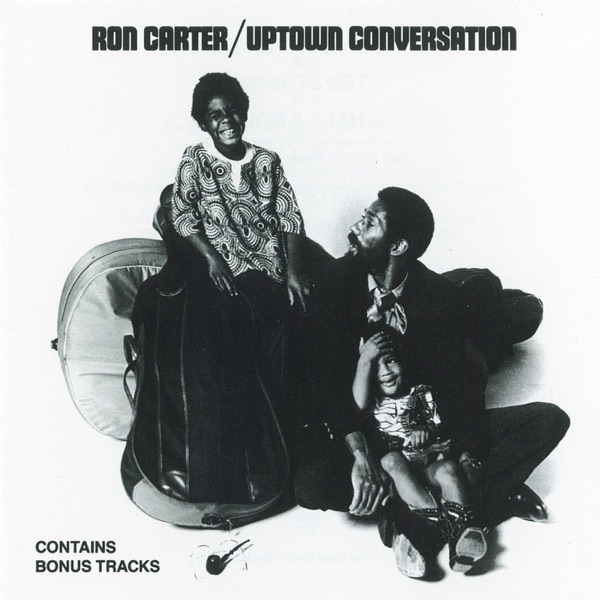
Uptown Conversation 1969
Ron Carter
plays bass here
plays bass here
♫
Natural Feelings 1970
Airto Moreira
plays percussion here
plays percussion here


