1964 · Album
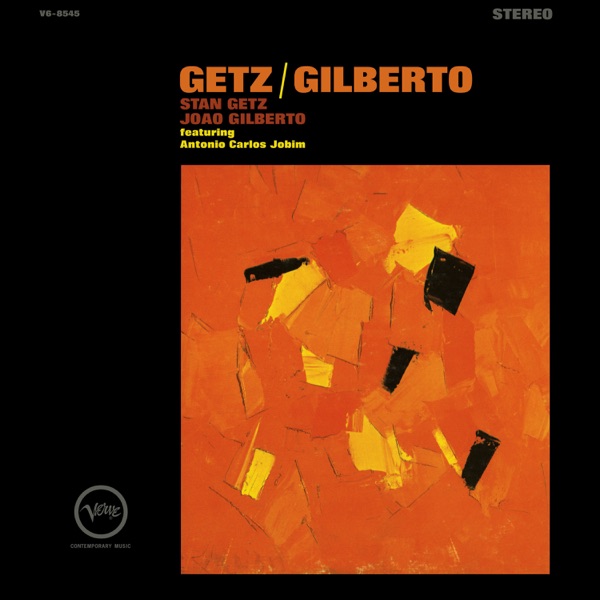
Getz / Gilberto
Recorded 1963 · Verve Records · Produced by Creed Taylor
Bossa Nova Becomes the Whole World
A jazz saxophonist, a Brazilian guitarist, and a songwriter walk into a studio and change popular music forever.
By 1964, Stan Getz had already made his mark in cool jazz, but Getz/Gilberto is the album where he stopped being a specialist and became a crossover force. Working with João Gilberto on guitar and Antônio Carlos Jobim on piano, Getz found himself in exactly the right place at exactly the right moment. Jobim's compositions—especially "Desafinado" and "Corcovado"—gave Getz melodies that his tenor could sing without any strain, and the rhythm section of Milton Banana on drums and Tommy Williams on bass kept everything floating, never pushing. The production is almost invisible: just voices, strings, piano, and saxophone in a room that sounds like late afternoon.
"Garota de Ipanema" became the engine of the album's reach. With Astrud Gilberto's breathy, uncertain English vocals—she wasn't a trained singer, just João's wife in the studio that day—the track won Record of the Year at the Grammys and gave bossa nova a song it could play on AM radio. That one recording made Astrud's career and proved the album wasn't just for jazz purists. AllMusic gave it 5 stars, and Pitchfork rated it 9.6/10, both rightly recognizing something nearly flawless.
What makes this record last is its restraint. Every player knows when to sit back. Getz's solos never overwhelm the compositions; they inhabit them. The whole album won three Grammys in 1965, including Album of the Year—only the second jazz album ever to reach that height. It reached people who'd never bought a jazz record before, and it never apologizes for that success.
Who's playing
Tommy Williamsbass guitar
Antônio Carlos Jobimguest, piano
João Gilbertoguitar
Stan Getztenor saxophone
Milton Bananadrums
Astrud Gilbertoperformer
Where next?
More by Antonio Carlos Jobim
All 37 albums →


The musicians on this record
Their own records, close in time


