1963 · Album
Jazz Samba Encore!
Recorded 1965-1966 · Verve Records · Produced by Creed Taylor

When Bossa Nova Met American Cool
Getz proves the samba sound wasn't a one-time thing—it was here to stay.
By the time Stan Getz got around to Jazz Samba Encore! (1966), the bossa nova craze had cooled considerably from its white-hot peak five years earlier. But here's the thing: Getz wasn't chasing a trend anymore. He'd internalized the rhythm, the phrasing, the whole sensibility. Working with Brazilian guitarist João Gilberto again and bringing in pianist Antonio Carlos Jobim for some tracks, Getz sounds completely at home in this world. His tenor sax tone—that breathy, intimate quality that made him famous—fits perfectly against the gentle sophistication of bossa nova.
What separates this from other Getz sessions is the sheer relaxation of it all. There's no trying here, no sense that an American jazz musician is visiting a foreign country musically. Tracks like "Girl from Ipanema" and "Meditation" float by with an almost conversational ease. The rhythm section—including drummer Gildo Mahone—keeps everything moving forward without ever pushing. It's easy to dismiss this as cocktail jazz, and sure, people were definitely playing it in sophisticated bars. But listen closer and you hear real musicianship. Getz's solos breathe naturally, and Jobim's piano playing carries a melancholy that's genuinely moving.
This isn't the album that changed everything—that was Getz/Gilberto (1964). And it's not essential if you're new to Getz; start there first. But if you've got a taste for what he was doing with bossa nova and you want to hear him at his most comfortable and direct, this record delivers. It's a reminder that sometimes the best jazz happens when musicians stop trying to prove something and just play.
Who's playing
George Duvivierbass
Tommy Williamsbass
Don Paynebass
Luiz Bonfáguitar
Antônio Carlos Jobimguitar
Stan Getztenor saxophone
José Carlosdrums
Paulo Ferreiradrums
Where next?
More by Stan Getz
All 36 albums →

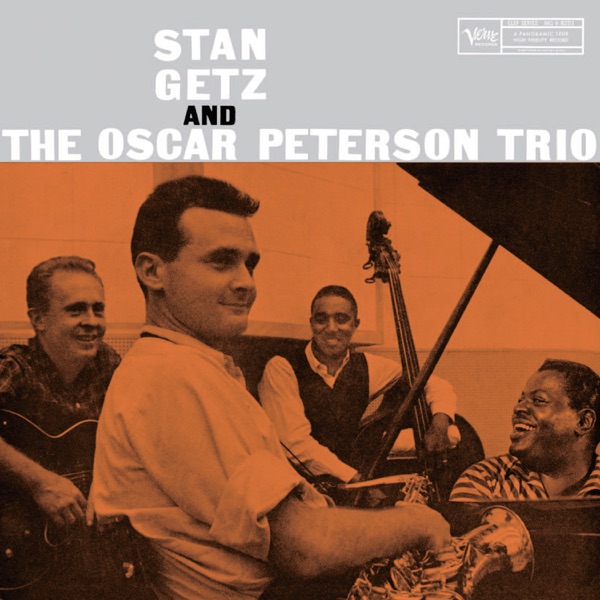

The musicians on this record
Their own records, close in time