1960 · Album
Stan Getz & Bill Evans
Recorded February 2, 1960 · Verve Records · Produced by Produced by Creed Taylor

Two Masters in Quiet Conversation
Getz and Evans create something intimate here—two musicians thinking together, not showing off.
This album catches Stan Getz and Bill Evans in a rare moment of genuine simplicity. By this point in his career, Getz was already famous for his ballad playing and that breathy, introspective tenor sound that made him a star. Evans, meanwhile, was still finding his voice as a pianist—his approach was cerebral, harmonically adventurous in ways that could overwhelm a lesser player. But here, on pieces like "But Beautiful" and "Autumn Leaves," both men seem content to just listen to each other. There's no urgency, no need to prove anything. The rhythm section of Chuck Israels on bass and Elvin Jones on drums gives them space without pushing, which matters because this is really a conversation between two instruments.
What makes this different from the typical tenor-piano albums floating around is how restrained it all is. Evans doesn't flood the changes with his usual harmonic density—he leaves room. Getz plays with this almost conversational quality, like he's thinking out loud rather than delivering statements. On "Funkallero," there's a playfulness that feels genuine, not manufactured. The whole session has this quality of two musicians who trust each other enough not to overstate things.
This isn't Getz at his absolute peak—that was already in his rearview mirror by this time—and it's not Evans at his most ambitious either. But that's exactly why it works. If you want to hear what happens when two serious musicians get out of their own way and just play, this is the place. It's the kind of record that rewards quiet listening, the sort of thing you put on at night when you want company but not conversation. Not essential, but genuinely good in ways that sneaky albums sometimes are.
Who's playing
Ron Carterdouble bass
Richard Davisdouble bass
Bill Evanspiano
Stan Getztenor saxophone
Elvin Jonesdrums
Where next?
More by Stan Getz
All 36 albums →


The musicians on this record

Portrait in Jazz 1960
Bill Evans
plays piano here
plays piano here
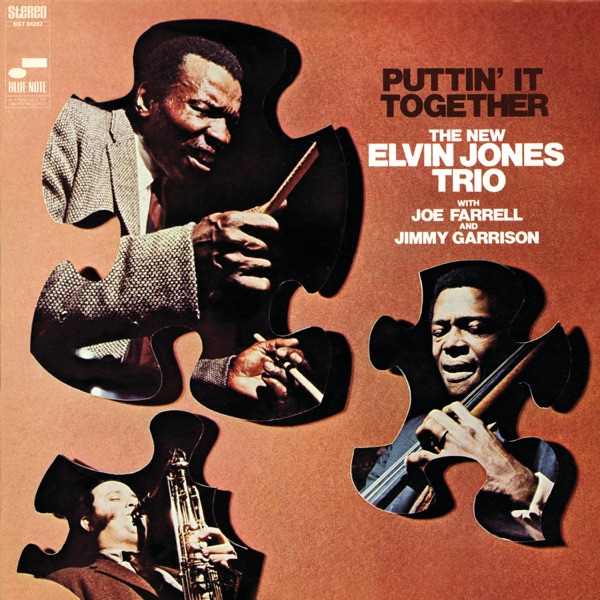
Puttin' It Together 1959
Elvin Jones
plays drums (drum set) here
plays drums (drum set) here

Where? 1961
Ron Carter
plays double bass here
plays double bass here



