Two Voices in Perfect Conversation
A masterpiece of intimate dialogue where tenor saxophone and guitar breathe as one unified soul.
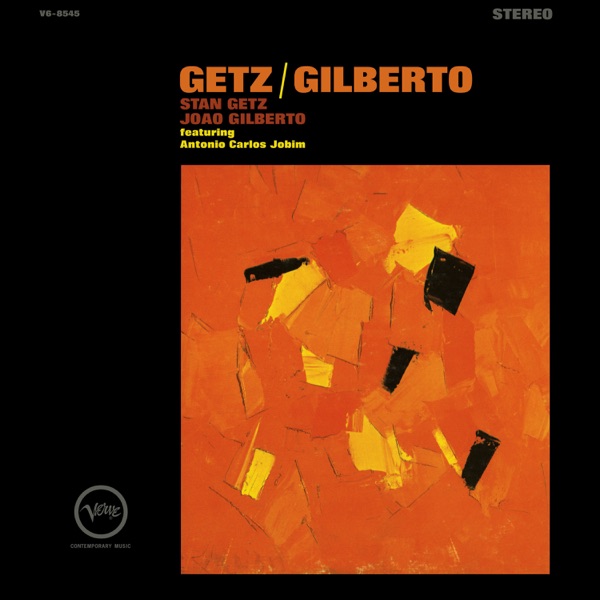
Getz/Gilberto works because Stan Getz and João Gilberto actually listen to each other. There's no showing off here—just two musicians who understand that the best idea wins, whether it comes from New York or Rio.
Getz's tenor saxophone sounds almost like a singer. He's got this warm, unhurried tone that lets you hear every choice he makes. Gilberto's guitar is the real anchor—it's never fancy, just exactly right. He knows when to play and when to leave space. The rhythm section stays quiet enough that you forget it's there, which is exactly the point. Everything floats on top of those steady grooves without feeling rushed.
What matters about this record is how it proves that restraint and simplicity can hit harder than technical showmanship. Getz and Gilberto aren't trying to impress you with what they can do. They're trying to tell you something, and they trust that less is more. If you listen closely, you hear the conversation happening—the way one musician responds to what the other just played.
This album mattered commercially too. It brought bossa nova into the mainstream and showed American jazz listeners that their music could learn something from Brazil without losing its identity. It's the kind of record that sounds effortless until you try to play it yourself and realize how much control and taste that takes.
It's just good people making music together. That's why it still sounds fresh.
Who's playing
Stan Getztenor saxophone
João Gilbertoguitar, vocals
Astrud Gilbertovocals
Antônio Carlos Jobimpiano
Tommy Williamsbass
Milton Bananadrums
Where next?
More by Stan Getz

Jazz Samba Encore! 1963

Focus 1961

Stan Getz & Bill Evans 1960
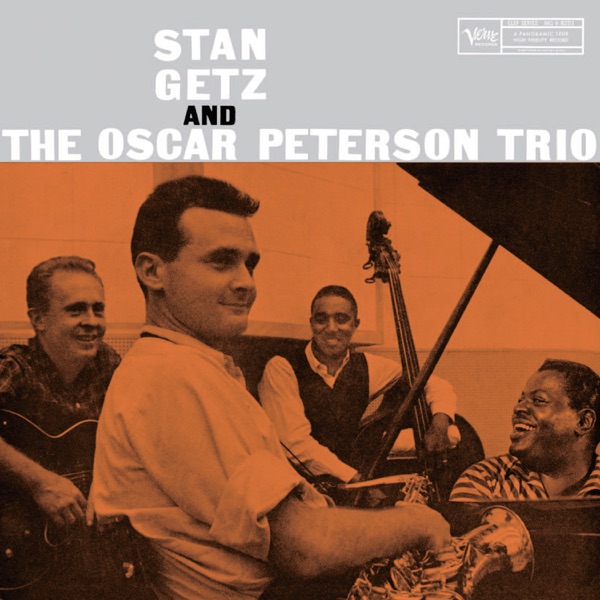
Stan Getz and The Oscar Peterson Trio 1957
The musicians on this record
Their own records, close in time