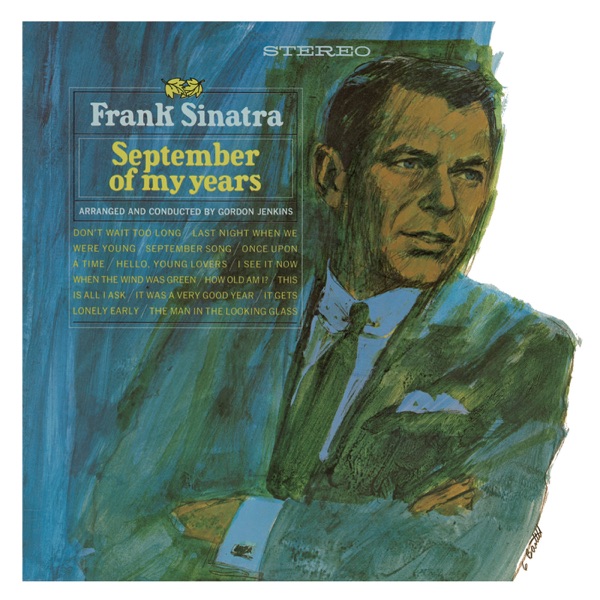
1963 · Album
Sinatra’s Sinatra
Recorded 1959 · Capitol Records · Produced by [Nelson Riddle]

Frank Sinatra Singing Frank Sinatra's Songs
Sinatra revisits his own catalog with the confidence of someone who knows exactly what these songs need.
Sinatra's Sinatra sits in an odd corner of Frank's discography. By 1959, he'd already recorded many of these songs multiple times—some dating back to the 1940s. So what's the point of doing them again? The answer is simple: he could do them better now. The voice had deepened, the phrasing had sharpened, and he'd learned things in the intervening years that made even familiar material feel fresh.
The album finds Sinatra working with Nelson Riddle, his go-to arranger for this period. Riddle understands what Sinatra wants—he's been in the room long enough to know when to give him space and when to fill it with strings. Tracks like "I've Got You Under My Skin" and "Willow Weep for Me" benefit from this partnership. These aren't radical rearrangements. Riddle sticks close to what worked before, but everything is tighter, more assured. The orchestra responds to Sinatra's phrasing instead of the other way around.
There's something worth noting about an artist spending time with his own past. It's not vanity, exactly. It's the opposite of vanity—it's saying these songs belong to me now in a way they didn't before, and I want the record to reflect that. Not every track lands with equal force, but the best ones show a singer still learning from himself. That kind of clarity at this stage in a career is rare enough to notice.