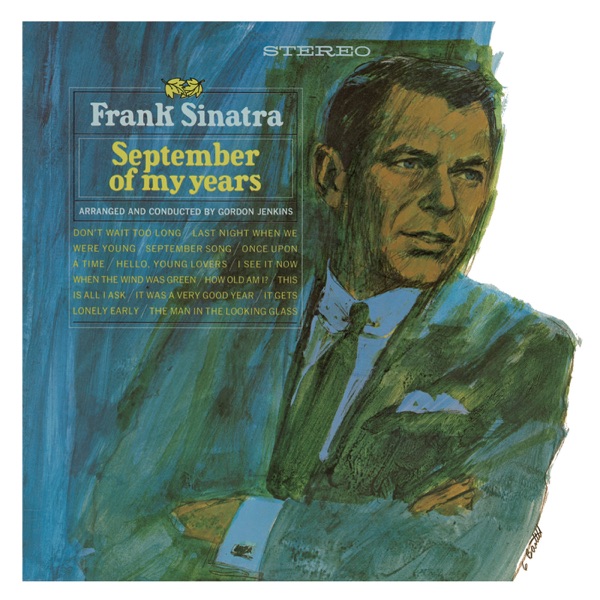
Sinatra Lets the Orchestra Breathe
A album where Sinatra sounds genuinely relaxed, not fighting the arrangements but dancing inside them.
By 1960, Frank Sinatra had spent a decade proving he could reshape a song any way he wanted. Nice 'n' Easy arrived at a moment when he could afford to stop proving anything. This is an album of standards — "That Old Black Magic," "Embraceable You," "Try a Little Tenderness" — played straight, without the theatrical reshaping that had defined his Capitol Records years. The orchestra surrounds him generously, giving space rather than pressure. Sinatra's voice sits comfortably in the mix, sometimes in front, sometimes just part of the texture. He's not searching for new angles on these melodies. He's lived with them long enough to know where they breathe.
The album moves at a pace that feels almost conversational. There's no rushing, no fight for dominance. When he slows down "That's All," it doesn't feel like a dramatic reinvention—just a singer and an orchestra understanding that sometimes the simplest reading is the best one. The arrangements are warm, orchestral in the old-fashioned sense, with strings and brass doing the work they were designed to do. Sinatra sounds like someone who's decided comfort matters more than surprise. For listeners used to his sharper work, this can feel understated. It's not a peak record in the way Only the Lonely (1958) was, or a reinvention. It's closer to a successful day at work—professional, warm, and honest about what these songs actually say.
The album was commercially successful and found an audience beyond jazz circles, selling steadily in its time and staying in print. If you're new to Sinatra, this isn't where to start—go to Only the Lonely or In the Wee Small Hours (1955) first. But if you already know his work and want to hear him simply be present with a song, this one delivers exactly that.
Who's playing
Joe Comfortdouble bass
George Robertsbass trombone
Bill Millerpiano
Al Violaguitar
Al Hendricksonguitar
Plas Johnsonsaxophone
Harry Kleesaxophone
Joe Kochsaxophone
Abe Mostsaxophone
Harry Schuchmansaxophone
Wilbur Schwartzsaxophone
Cappy Lewistrumpet
Tommy Shepardtrombone
Ken Shroyertrombone
Norm Jeffriesdrums
Victor Arnoviolin
Victor Bayviolin
Alex Bellerviolin
Alvin Dinkinviola
Jacques Gasselinviolin
William HinshawFrench horn
Kathryn Julyeharp
Ray Kramercello
Dan Lubeviolin
Virginia Majewskiviola
James McGeeFrench horn
Erno Neufeldviolin
Barbara Simonsviola
Eleanor Slatkincello
Felix Slatkinviolin
Marshall Sossonviolin
Gerald Vinciviolin
James Arkatovcello
Victor Gottliebcello
Lou Kievmanviola
Alexander Neimanviola
Nathan Rossviolin
Harold Dicterowviolin
Virgil Gatescello
James Getzoffviolin
Marvin Limonickviolin
Joseph Livotiviolin