1957 · Album
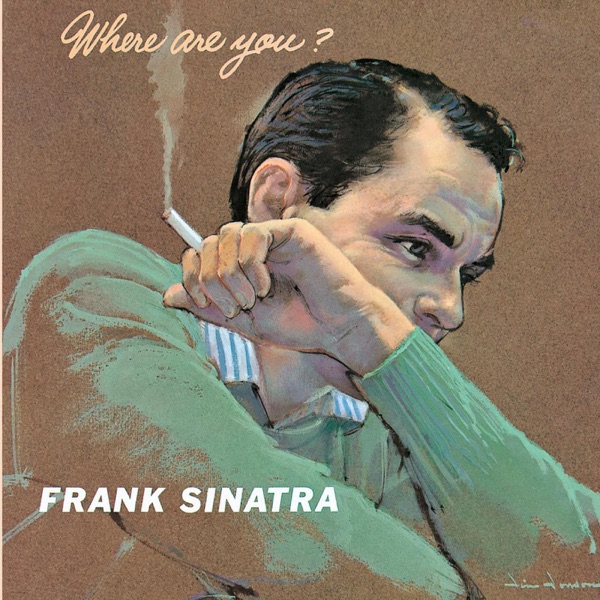
Where Are You?
Recorded 1957 · Capitol Records · Produced by Voyle Gilmore
Sinatra Alone With the Dark
Sinatra swaps Nelson Riddle's swing for Gordon Jenkins' strings, and the mood shifts completely.
Frank Sinatra's Where Are You? (1957) is a slow, aching album — and that's exactly the point. This is Sinatra in a different mode than the finger-snapping Capitol records most people picture. No brass, no bounce. Instead, arranger Gordon Jenkins wraps everything in lush string orchestrations that lean heavily into loneliness and late-night regret. It was also the first album Sinatra cut at Capitol in stereo, which gives Jenkins' arrangements real space to breathe.
The shift from Nelson Riddle — who had been Sinatra's primary collaborator at Capitol — is immediately noticeable. Riddle could do ballads, but he always kept some rhythmic tension in the room. Jenkins doesn't bother with that. Tracks like 'Where Are You?' and 'Autumn Leaves' are deliberately still, almost suspended. Some listeners find this beautiful; others find it a little suffocating. Both reactions make sense. Jenkins' approach works best when Sinatra's voice carries the weight, and on this album, it usually does.
This is the thirteenth studio album from Sinatra, and it's not his most versatile record — it doesn't try to be. It's essentially forty minutes of a man sitting in a quiet room thinking about someone who isn't there anymore. If that sounds like your kind of evening, this album delivers it honestly and without fuss. It was later reissued in 1970 as a ten-track version called The Night We Called It a Day, which is worth knowing if you come across both versions. The original is the one to track down.
Who's playing
Jack Ryandouble bass
Bill Millerpiano
Allan Reussguitar
Clyde Hyltonflute
Nick Fatooldrums
Victor Arnoviolin
William Baffaviola
Cy Bernardcello
Jack Chaneywoodwind
Vincent DeRosaFrench horn
Harold Dicterowviolin
Jack Dumontwoodwind
Dent Eckelswoodwind
Walter Edelsteinviolin
Arthur FrantzFrench horn
David Frisinaviolin
Jacques Gasselinviolin
Joseph Quadriviolin
Armand Kaproffcello
Murray Kellnerviolin
Sol Kindlerviolin
Samuel Levineviolin
Joseph Livotiviolin
Dan Lubeviolin
Matty Matlockwoodwind
Ray Menhennickviola
Achille Mierlot Jr.violin
Erno Neufeldviolin
Richard PerissiFrench horn
Lou Radermanviolin
Paul Robynviola
Mischa Russellviolin
Wilbur Schwartzwoodwind
Marshall Sossonviolin
Dave Sterkinviola
Kathryn Thompsonharp
Harry Bluestoneviolin
John CaveFrench horn
Kurt Dieterleviolin
Ben Gillviolin
Kathryn Julyeharp
Nicholas Pisaniviolin
Felix Slatkinviolin
Wayne Songerclarinet
Leonard Atkinsviolin
Alex Bellerviolin
Emil Brianoviolin
Howard Colfviolin
Ray Kramercello
Amerigo Marinoviolin