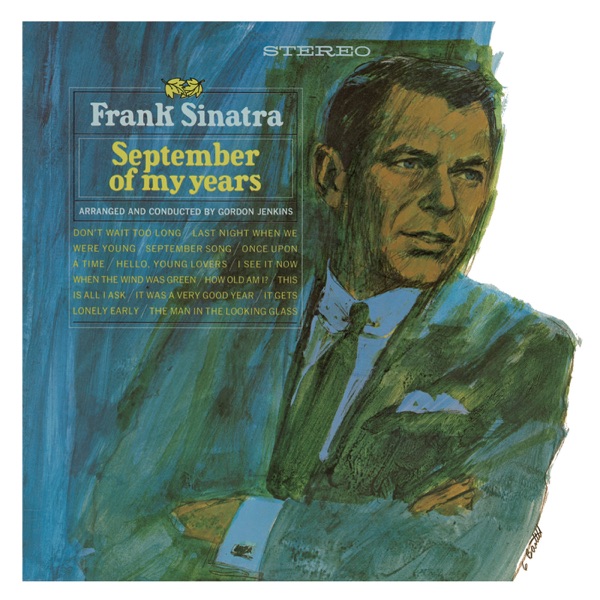
1955 · Album
The Voice
Columbia Records · Released: March 4, 1946 · Format: Four 78 rpm records (catalog numbers 36918, 36919, 36920, 36921)

The Beginning of a Legendary Voice
Sinatra's debut shows a singer still finding his way, but the voice is already unmistakable.
The Voice of Frank Sinatra arrived in 1946 as Columbia Records' introduction to a vocalist who would dominate popular music for decades. This debut collection of eight songs across four 78 rpm discs captures Sinatra early in his solo career, moving past his years with Tommy Dorsey's orchestra into territory where his voice could be the main event. He's backed by studio orchestras arranged for these sessions, which gives the recordings a polished but sometimes stiff quality compared to what he'd achieve later. The material here is solid postwar pop and ballad fare—nothing revolutionary, but delivered by a singer whose instrument was already remarkable.
What strikes you listening now is how fully formed Sinatra's voice already sounds. The phrasing is careful, the control is obvious, and he brings real feeling to songs like "These Foolish Things" and "Try a Little Tenderness." But there's also a sense that he's still learning what to do with all that talent. The arrangements can feel cluttered around him rather than built to showcase him. If you're new to Sinatra, this isn't where you start—try Songs for Swingin' Lovers (1956) or In the Wee Small Hours (1955) instead, albums where everything clicks into place and the orchestra becomes an extension of what he's trying to say.
What makes this debut worthwhile is exactly that: it's a beginning. You hear a major artist before he became the polished, confident interpreter everyone knows. It's historically important and genuinely listenable, but it's a stepping stone, not the destination. Collectors and serious Sinatra fans will want it. Casual listeners should spend their time on the albums where he'd figured out how to be himself.
Who's playing
John Ryandouble bass
Frank Siravodouble bass
Mark McIntyrepiano
Bill Cliftonpiano
George van Epsguitar
Matty Golizioguitar
John Mayhewflute
Ray Hagandrums
Nat Polendrums
Sam Freedviola
David Frisinaviolin
Fred Goernercello
Mischa Russellviolin
Axel Stordahl and His Orchestrainstrument
Sidney Brecherviola
Mitch Milleroboe
Raoul Polikianviolin
Leonard Posnerviolin
Anthony Sophoscello