Miles in the Margins: Pangaea's Quiet Arrival
A double album that slipped past most of the world, then found its audience slowly.
Pangaea arrived quietly. Released as a double album in Japan by CBS/Sony in 1976, it barely registered in the West at first. This was not a landmark Miles Davis statement that critics immediately championed—it landed in a marketplace already crowded with his recent work, and it took years for serious listeners to recognize what was on the tape. The album remained marginal, a record for committed fans rather than a commercial event, which is exactly what made it worth discovering once word got out.
What makes it worth hearing now is the live setting itself. Captured in performance, the music has an urgency that studio work sometimes smooths away. Miles and his ensemble move through long, exploratory pieces with the kind of groove-based intensity that defined his mid-1970s sound. The double-album format gives the band room to stretch—these are not three-minute statements but proper investigations, the kind of playing where you can hear musicians listening to each other in real time. It's not his most famous work, and it doesn't need to be.
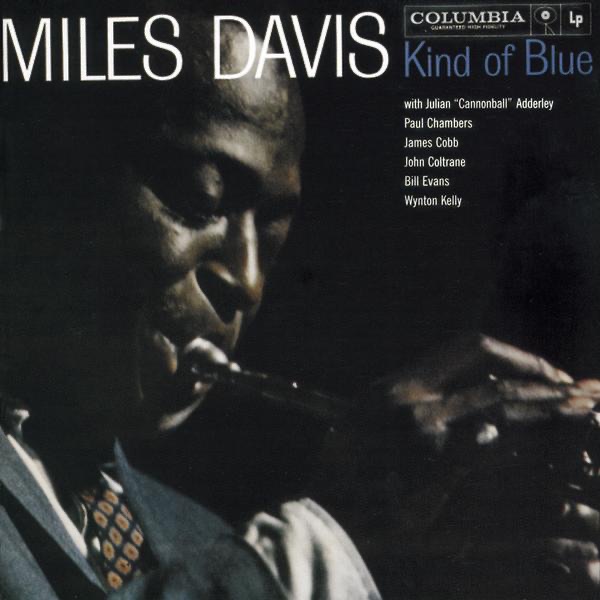
Pangaea sits somewhere between his electric fusion experiments and his later work, neither peak nor peripheral—just solid, alive music from a phase when Miles was still pushing forward. For those already familiar with his essential recordings, this is the kind of album that rewards patient listening. For newcomers, start elsewhere: Kind of Blue (1959) remains the place to begin. But once you know those records, Pangaea offers something the studio versions cannot—the feeling of watching it happen.