1981 · Album
The Man With the Horn
Recorded 1981 · Columbia Records · Produced by Teo Macero

Six Years Gone, One Album Back
After six years away, Davis returned to the studio with fresh energy and a willingness to chase the sounds of the moment.
When Miles Davis walked into the studio to record The Man with the Horn (1981), he was stepping back into active music-making for the first time since 1975. Six years is a long silence for any artist, but for Davis—a man who had recorded constantly across three decades—it felt like a departure from life itself. The sessions brought together players ready to work with an elder statesman who wanted to move forward rather than backward, blending acoustic and electric sounds in ways that felt current without abandoning what made Davis essential.
This album marks a genuine turning point: his first new material since On the Corner (1972), a record that had already pushed him toward funk and fusion in ways some listeners resisted. By 1981, the musical landscape had shifted again. Synthesizers were everywhere. R&B and pop had become more adventurous. Davis listened, adapted, and made a record that sits somewhere between his fusion experiments and the commercial world around him. The Penguin Guide to Jazz Recordings gave it a strong 3.5 out of 4 stars, recognizing it as a solid return even if not an immediate classic.
For listeners approaching Davis's catalog, this is not where to start—begin with Kind of Blue (1959) or A Love Supreme's equivalent in his own discography. But if you've lived with his earlier work and want to hear how he responded to being away and to an entirely different era in popular music, The Man with the Horn rewards attention. It's the sound of someone refusing to retire quietly.
Who's playing
Marcus Millerbass guitar
Felton Crewsbass guitar
Robert Irving IIIelectric piano
Mike Sternguitar
Barry Finnertyguitar
Bill Evanssoprano saxophone
Randy Hallsynthesizer
Al Fosterdrums
Vince Wilburn, Jr.drums
Sammy Figueroapercussion
Where next?
More by Miles Davis
All 59 albums →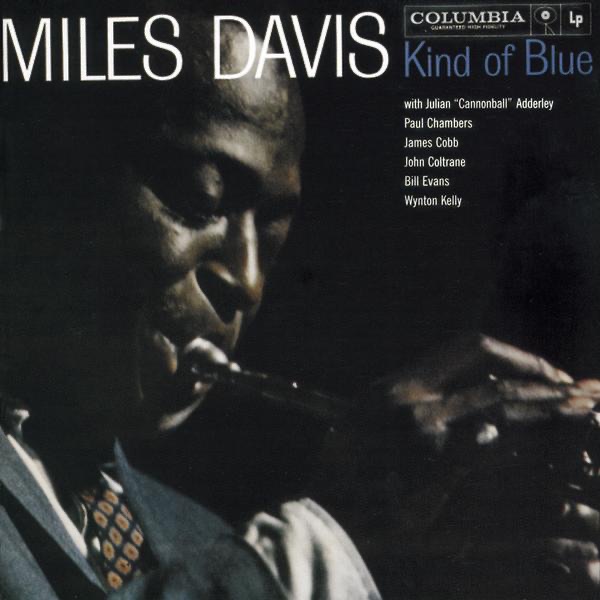


The musicians on this record

You Must Believe in Spring 1981
Bill Evans
plays soprano saxophone here
plays soprano saxophone here

Suddenly 1983
Marcus Miller
plays bass guitar here
plays bass guitar here


