
Five Musicians Reading Each Other's Minds
E.S.P. captures five players so attuned they barely need to look at each other.
When Miles Davis brought Wayne Shorter into his band in 1964, the sound of the quintet began to change. By the time they entered the studio in January 1965, Davis on trumpet, Shorter on tenor saxophone, Herbie Hancock on piano, Ron Carter on bass, and Tony Williams on drums had developed an almost eerie ability to anticipate each other's moves. The album takes its name from one of Shorter's compositions, and the title captures something essential about the music: these five were communicating through instinct, responding to gestures and ideas before they were fully formed.
What you hear on E.S.P. (1965) is controlled freedom. Davis and Shorter trade solos with remarkable precision, while the rhythm section moves far beyond the hard-swinging approach of earlier Davis groups. Hancock doesn't simply comp chords—he threads melodic ideas through the music, responding to the horns almost like a third soloist. Williams is restless and inventive, constantly nudging the music forward rather than simply keeping time. Carter's bass lines are equally conversational, interacting with the others instead of merely marking out the harmony. The music has space in it, and that space is part of what makes it work.
This is essential Miles Davis, and a key album for understanding the direction jazz was about to take. It isn't his most accessible work— Kind of Blue (1959) offers a much easier entry point—but E.S.P. captures the moment when this remarkable quintet was finding its collective voice. The compositions aren't flashy vehicles for individual virtuosity. Instead, they give five musicians room to listen, react, and reshape the music in real time. That's the album's entire premise, and it works.
Who's playing
Ron Carterdouble bass
Herbie Hancockpiano
Wayne Shortertenor saxophone
Miles Davistrumpet
Tony Williamsdrums
Where next?
More by Miles Davis
All 59 albums →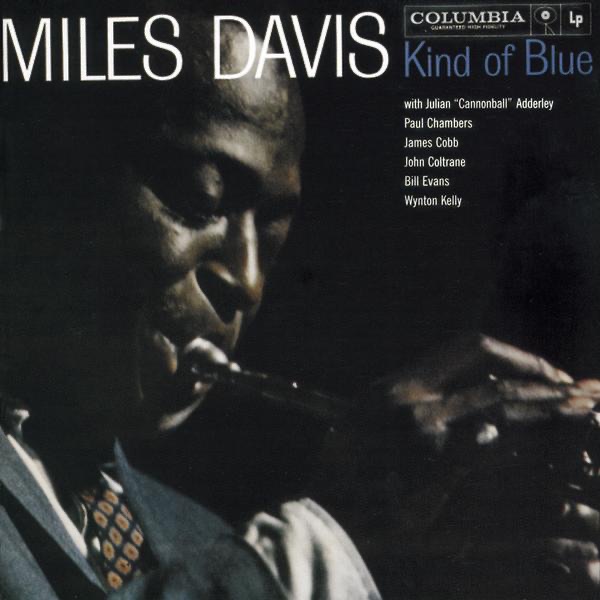


The musicians on this record

My Point of View 1963
Herbie Hancock
plays piano here
plays piano here

The All Seeing Eye 1966
Wayne Shorter
plays tenor saxophone here
plays tenor saxophone here

Dear Miles, 1962
Ron Carter
plays double bass here
plays double bass here

The Joy of Flying 1965
Tony Williams
plays drums (drum set) here
plays drums (drum set) here


