1982 · Album
We Want Miles
Recorded 1981 (June 27, Boston; July 5, New York City; October 4, Tokyo) · Columbia Records · Produced by Teo Macero

The Comeback No One Expected
After five years away from live performance, Davis returned to prove he still commanded the stage.
We Want Miles arrived at a strange moment in Miles Davis's career. He'd spent most of the 1970s in the studio, working through fusion and electric experiments, but by 1981 he was largely out of the public eye. This album documents his first live dates in over five years — recorded across three venues in the span of months: Boston's Kix Club in June, Avery Fisher Hall in New York the following month, and Tokyo in October. The fact that he returned to live performance at all was news. That he sounded energized doing it was a surprise.
This isn't a late-career reinvention or a nostalgia project. Davis simply showed up and played, working with the band he had at hand. The Penguin Guide to Jazz Recordings rated it 3 out of 4, which suggests solid, engaging work without claiming peak status. The recordings capture Davis still moving forward — still interested in the electric sound and contemporary groove that had defined his work through the seventies, still skeptical of pure nostalgia. You hear a musician testing the waters, reconnecting with audiences, without pretending to be anything other than who he was at that particular moment.
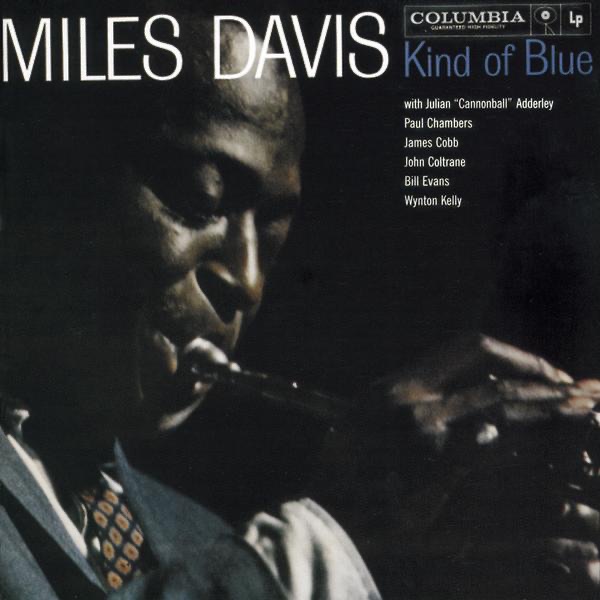
For listeners, this is neither the place to start nor an essential deep cut. Start with Kind of Blue (1959) or Sketches of Spain (1960) if you want canonical Davis. But if you've followed his work into the seventies and want to know what happened when he finally stepped back onstage, this is exactly the document you need. It's live, it's real, and it shows Davis at an ordinary but vital moment — not the summit, but still climbing.