Flute Over Strings, Mann's Quiet Gamble
Herbie Mann trades his band for a string section and finds a surprisingly warm middle ground.
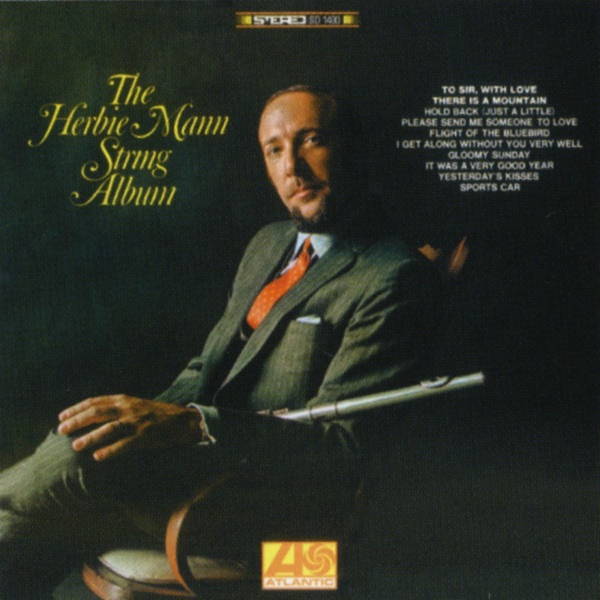
The Herbie Mann String Album was released in 1967 on Atlantic, a label that gave Mann room to experiment well beyond the hard bop and Latin-tinged grooves that had made his name. Here he sets his flute against a string section and a small rhythm and horn ensemble, a configuration that asks the leader to sound more like a singer than a soloist. The session personnel included Richard Davis on bass, Mel Lewis on drums, Ray Barretto and Orestes Vilató on percussion, and a long roster of classical players, among them Alfred Brown, Karen Tuttle, and Aaron Rosand on strings, so the room was full of people trained to read charts precisely, which shaped the whole record.
What you hear is Mann leaning into melody. The arrangements keep the strings sweet and the rhythm section light, and the flute gets to float over the top rather than cut through a riff. It is not a jazz record in the usual sense of pushing harder and harder, and some listeners will find it too smooth. Those who like Mann's lyrical side will find plenty to enjoy, especially in the slower pieces where the strings and flute blend without much friction.
For a listener starting with Mann, this is not the place to begin; try Herbie Mann at the Village Gate (1961) first to hear him swinging in a small group. This album works better as a side trip for fans who already know his playing and want to hear him in a different setting. It is a pleasant, well-made curiosity rather than a peak of his career.
Who's playing
Richard Davisbass
Bucky Pizzarelliguitar
Wally Richardsonguitar
Gene Bertonciniguitar
Jimmy Owenstrumpet
Dave Eckertrombone
Herbie Mannflute
Herb Lovelledrums
Bruno Carrdrums
Mel Lewisdrums
Ray Barrettopercussion
Ted Sommerpercussion
Orestes Vilatópercussion
Phil Krauspercussion
Carlos “Patato” Valdéspercussion
[unknown]strings
Ray AlongeFrench horn
Clark Terrybrass
Julius WatkinsFrench horn
Gloria Agostiniharp
Anahid Ajemianstrings
Alfred Brownstrings
Bernard Eichenstrings
Leo Kahnstrings
Leo Kruczekstrings
Charles Libovestrings
Dave Markowitzstrings
Charles McCrackenstrings
Marvin Morgensternstrings
David Nadienstrings
George Ocknerstrings
Raoul Polikianstrings
Max Pollikoffstrings
George Riccistrings
Aaron Rosandstrings
Tosha Samaroffstrings
Alan Shulmanstrings
Sylvan Shulmanstrings
Karen Tuttlestrings
Emanuel Vardistrings
Jack Zaydestrings
Where next?
More by Herbie Mann
All 36 albums →