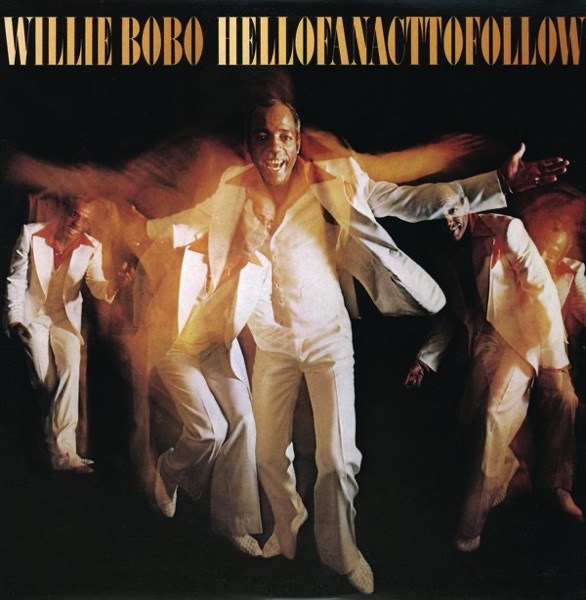
The Beat That Wouldn't Sit Still
Willie Bobo was born William Correa in Spanish Harlem, and before he was a teenager he was already hanging around musicians twice his age, picking up timbales and bongos the way other kids picked up stickball. He got his nickname from Mongo Santamaria, who couldn't be bothered with 'William' and just started calling him Bobo. It stuck, and so did the apprenticeship — Bobo came up playing alongside some of the heaviest Afro-Cuban percussionists working in New York, learning the clave from the inside instead of from a book.
His real education happened on the bandstand with Tito Puente and then with Cal Tjader, and that second gig mattered a lot. Tjader was a white vibraphonist from the Midwest who'd fallen hard for Latin jazz, and Bobo became one of the engine-room guys who made Tjader's bands actually swing instead of just sounding like a tourist's idea of Cuban music. You can hear Bobo's timbales driving records like Soul Sauce (1965), where the rhythm section does as much talking as the horns.
By the mid-60s Bobo was leading his own dates, and this is where he got interesting as more than a sideman. Spanish Grease (1965) and the single that shares its name became boogaloo staples — that loose, funky hybrid of Latin rhythm and soul-jazz grease that was blowing up in bars and clubs where nobody cared about genre labels. 'Fried Neckbones and Some Home Fries' is the kind of title that tells you everything: this was party music with serious chops underneath it, built by a guy who understood both a mambo and a backbeat.
Bobo eventually moved out to Los Angeles and kept working steadily — film and TV sessions, club dates, the occasional deep cut that collectors still dig for. He never became a household name the way some of his collaborators did, but go back and listen to how much of the Latin soul and boogaloo sound depends on his time feel. He died in 1983, not old, but he'd already left a stack of records that still sound like a party nobody wants to leave.