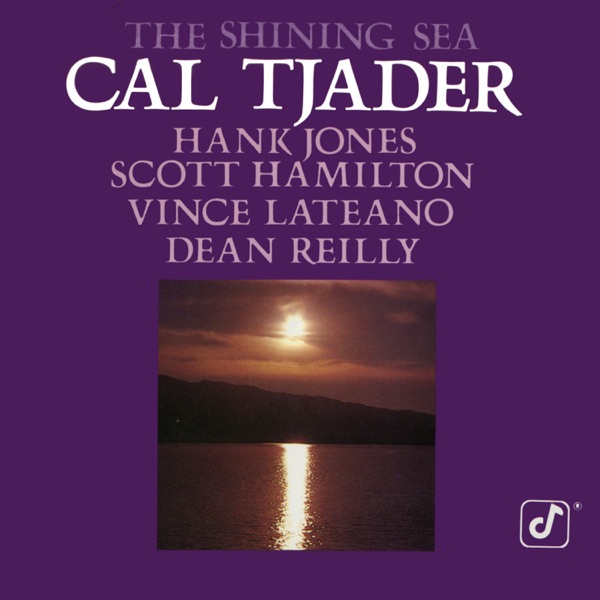
Mallets, Mambo, and Mission Street
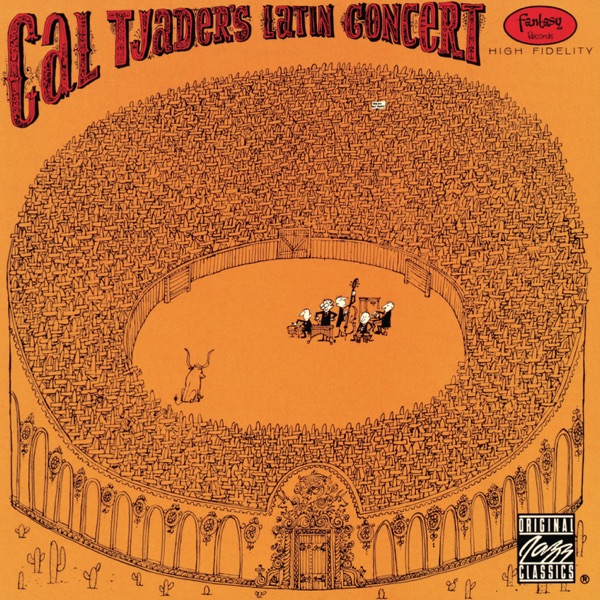
Tjader came up through the Dave Brubeck Octet in the late 1940s, playing drums before he switched his focus to vibraphone. The move made sense — the vibes gave him something that sat perfectly between the cool jazz he'd absorbed on the West Coast and the Latin percussion sounds he was increasingly drawn to. He wasn't reinventing the instrument so much as finding a pocket for it that nobody had quite claimed yet.
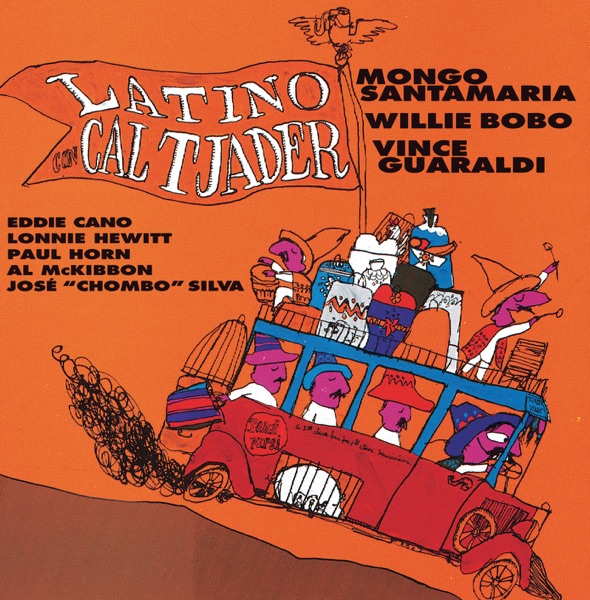
By the mid-1950s, Tjader had moved fully into Latin jazz territory, and his recordings for Fantasy became a steady stream of beautifully played, rhythmically alive albums. He worked closely with Cuban and Puerto Rican musicians, and that collaboration gave his records an authenticity that pure imitation never would have. Mongo Santamaría played congas on some of his most beloved sessions, and Willie Bobo was there on timbales — these weren't hired hands, they were co-architects of the sound.
What his music actually feels like is this: lighter on its feet than hard bop, warmer than cool jazz, and more swinging than a lot of what gets called Latin jazz today. The vibraphone has a natural decay to it, that shimmer after you strike a bar, and Tjader used that quality well — his lines had room to breathe. He wasn't a flashy soloist chasing complexity for its own sake. He played melodically, kept the groove central, and let the rhythm section do what rhythm sections do best.
His 1964 recording Soul Sauce (1965) — built around a Dizzy Gillespie tune — became one of his biggest commercial moments, and it holds up. It's the kind of record that sounds great at a dinner party and even better when you actually sit down and listen to it. That's not a backhanded compliment. Plenty of jazz that rewards close listening falls apart in a room full of people, and Tjader figured out how to do both.
He kept recording and touring right up until his death in Manila in 1982, the same year he finally won a Grammy for La Onda Va Bien (1980). He'd been making records that deserved that kind of recognition for thirty years by then. If you're coming to him fresh, start with his Fantasy material from the late 1950s and early 1960s — that's where the balance between jazz sophistication and Latin heat is absolutely dialed in.