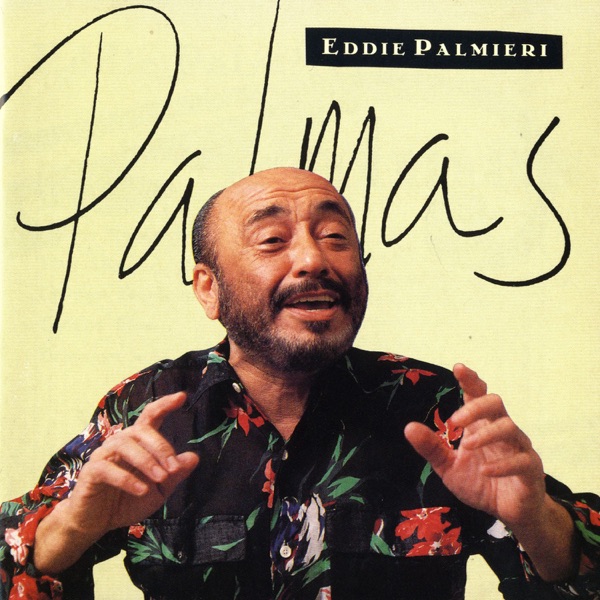
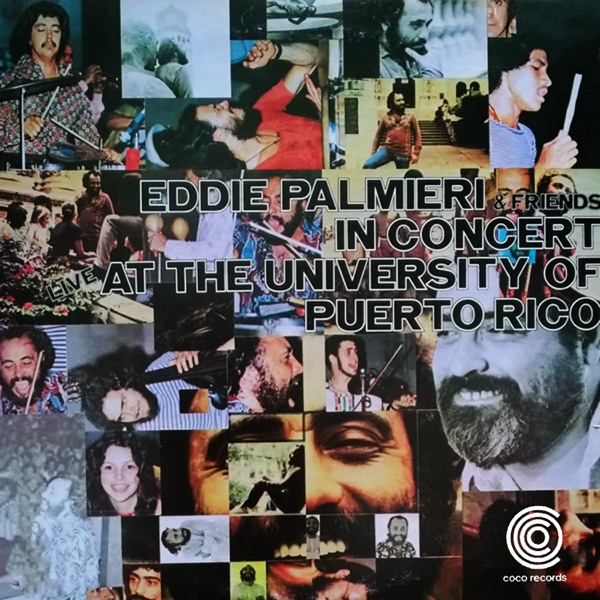
Fire From The South Bronx
Eddie Palmieri grew up in the South Bronx in the 1940s, and the neighborhood handed him two things simultaneously: the mambo fever coming off the ballrooms and the bebop flooding out of the radio. His older brother Charlie was already a working pianist, and Eddie learned by watching and eventually by competing. By his twenties he was leading his own groups and doing it with a chip on his shoulder the size of a Timbale. He wanted the respect that jazz musicians got, and he wanted the dancers to lose their minds at the same time. That tension never really went away, and it's basically the engine behind everything he's ever recorded.
His band La Perfecta, which he put together in the early 1960s, was the thing that announced him. The instrumentation was unusual — he built the horn section around trombones rather than the trumpets that ruled Latin bands at the time. The result was heavier, darker, and more harmonically interesting than anything else on the dance floor. Albums like El Sonido Nuevo (1966), made with Cal Tjader, showed he could bridge jazz audiences and Latin ones without watering down either side. He wasn't making crossover music in the commercial sense — he was just stubborn about playing everything he loved at full volume.
The 1970s got genuinely wild. Palmieri started pushing his arrangements into freer territory, letting solos sprawl, adding dissonance in places that probably confused dancers and thrilled jazz listeners. The Sun of Latin Music (1974) won him one of his first Grammy Awards and captures the moment when he was operating at peak ambition — the rhythms are locked in tight but the piano goes wherever it wants. He was absorbing McCoy Tyner and Thelonious Monk and filtering them through clave, and the results sound like nothing else from that era.
What makes Palmieri distinctive as a pianist isn't just the technique, though the technique is formidable. It's the aggression. He attacks the piano. He'll punch a chord cluster with his left hand that sounds almost wrong, hold the tension until the last possible second, and then resolve it in a way that feels both surprising and inevitable. He uses space, but not in the cool, Miles-influenced way — his silences feel like he's loading the next punch. Live, this is even more pronounced. He's notorious for taking a tune somewhere completely unexpected and then locking eyes with his rhythm section like he's asking them to follow or get left behind.
He's been recording and touring well into his eighties, and the energy hasn't softened. The later records don't hit quite as hard as the 1970s peak, but Palmieri has always been the kind of artist where the live show is the real argument. If you're starting out, The Sun of Latin Music (1974) and Unfinished Masterpiece (1975) are the place to go in first. Then work backwards to La Perfecta, and forward to see how the vocabulary held up over time. The whole catalog is worth the time, but those two albums are where Eddie Palmieri is most completely himself.