Strange Fruit: A Voice Against Darkness
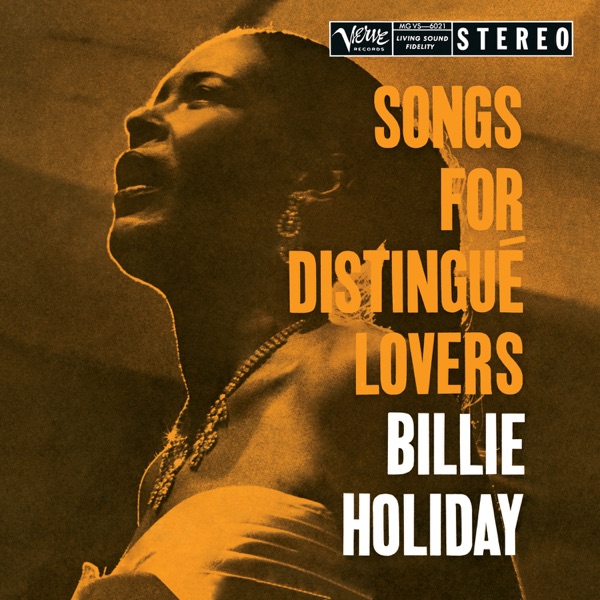
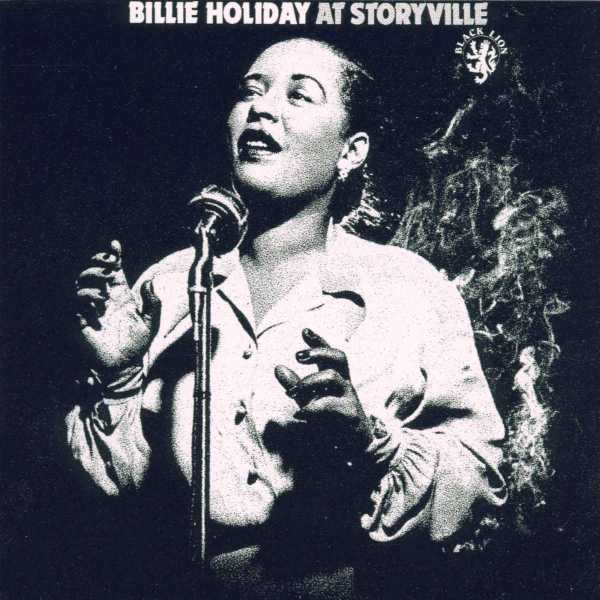
Billie Holiday didn't just sing a song—she rewrote it. While other singers stuck to what the composer wrote, Holiday asked what the song actually meant, and she wasn't afraid when those two things didn't match up. She'd bend a note like a blues player would, come in early or late on purpose, and deliver each phrase like she was telling you something she had to tell you. This changed how people thought about jazz standards. The George Gershwin songs sounded darker when she sang them. The Irving Berlin tunes suddenly had irony and sadness that nobody else had noticed.
Her work with Lester Young in the late 1930s is some of the best jazz ever made. They understood each other instantly—Young's saxophone would answer her voice, and her voice would answer back. He called her "Lady Day," she called him "Prez," and you can hear how completely they trusted each other on every recording. If you want to know how a singer and musician should play together, listen to those sessions. Everybody learned from them, from Ella Fitzgerald on down to singers working today.
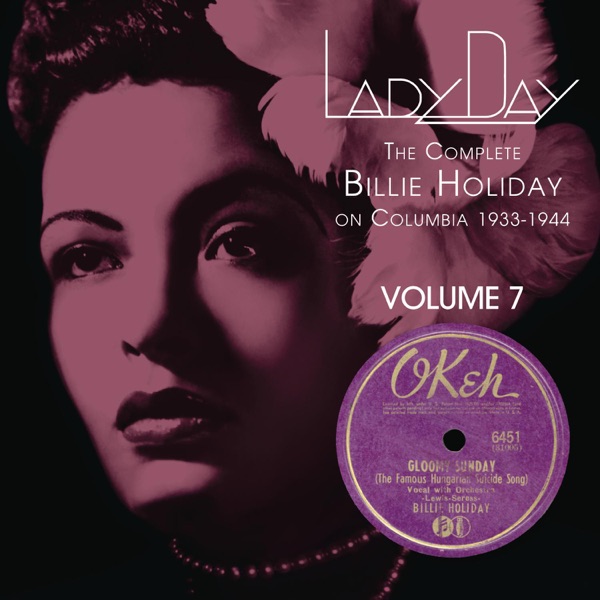
Then there's "Strange Fruit" in 1939. She recorded Abel Meeropol's anti-lynching poem when radio stations wouldn't touch it and club owners threatened to fire her. She did it anyway, and she sang it with such clarity that it became an anthem for civil rights. That's real bravery—not the easy kind. She proved that jazz could mean something, that it could say what needed to be said.
Her last albums, after her voice had been damaged by sickness and hard living, show something else entirely. On Lady Sings the Blues (1957), her voice cracks and wavers, but she's actually better at expressing what she's feeling. Most people hear those records and feel sad for her, but that's missing what she's doing. She's a mature artist making something beautiful out of what's left. She's not singing with a perfect voice—she's singing with a real one.
She died at forty-four, broken down by racism and everything else America threw at her. But her influence never stopped. Every jazz singer who came after learned from her: that showing vulnerability is stronger than hiding it, that a rough voice can move you more than a smooth one, that your job as a singer is to tell the truth. That's what matters.