
Smoke, Strings, and a Voice Turned Low
Holiday sings slow, close, and bruised, with a small band keeping every bar tender.
Music for Torching opens on the sound of a late-night room: a restrained rhythm section, brushes and soft bass, and a piano that leaves space around every phrase. Billie Holiday sits deep in the mix, her voice thinned to a murmur in places and cracked open in others. The tempos are mostly slow and the arrangements sparse, so the record moves like a long exhale rather than a sequence of showpieces.
The band is small and the playing unshowy. Jimmy Rowles keeps the harmony spare and lets silence do much of the work, while Barney Kessel's guitar offers quiet color rather than flash. Benny Carter and Harry "Sweets" Edison appear as melodic voices that answer Holiday rather than compete with her. Nothing here is built for display; the aim is intimacy, and the band serves it well.
The album was Holiday's first twelve-inch LP for Clef Records, following four ten-inch releases, and it fits the torch-song mold she had long made her own. Compared with her more dramatic late work, it is a steady, more controlled record. Listeners new to her might start elsewhere, but for anyone who already likes her slower material, this is a dependable, affecting set.
Who's playing
John Simmonsdouble bass
Jimmy Rowlespiano
Barney Kesselelectric guitar
Benny Carteralto saxophone
Harry “Sweets” Edisontrumpet
Larry Bunkerdrums
Where next?
More by Billie Holiday

Solitude 1952

All Or Nothing At All 1959

Stay With Me 1958
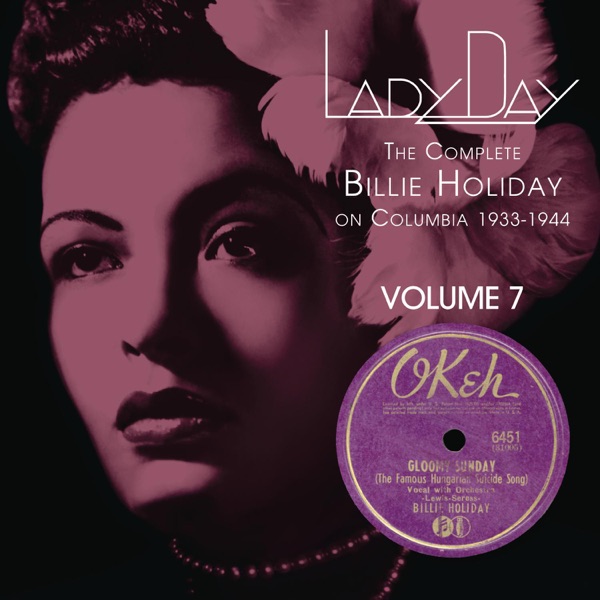
Lady Day: The Complete Billie Holiday On Columbia (1933-1944) 1933
The musicians on this record

Barney Kessel, Volume 3: "To Swing or Not to Swing" 1955
Barney Kessel
plays electric guitar here
plays electric guitar here
♫
"If I'm Lucky" 1977
Jimmy Rowles
plays piano here
plays piano here


