1952 · Album
Solitude
Recorded 1957-1958 · Verve Records · Produced by Norman Granz

When Billie Sings Alone With the Band
Holiday's voice here sounds weathered but unbroken, finding quiet power in restraint.
Solitude catches Billie Holiday at a particular moment—late in her career, working with Mal Waldron at the piano and a small ensemble that knows how to stay out of her way. This isn't the brassy, swinging Billie of her earlier years. It's something quieter and more direct. The album lives in sparse arrangements where you hear every hesitation in her phrasing, every slight crack in her voice. On tracks like the title song, there's almost nothing between you and her—just piano, bass, drums, and that voice telling you exactly how it feels to be alone.
What makes this different from her other late recordings is the deliberate restraint. Waldron keeps things minimal, never showboating. The horns, when they appear, are muted and thoughtful. The whole thing feels like overhearing someone in a quiet room rather than sitting in a crowded club. Holiday's interpretations here are loose and personal—she takes her time with lyrics, bends melodies to fit what she's actually feeling rather than what the sheet music says. It's the opposite of polished. Some listeners will find it depressing; others will call it honest. Both are right.
This isn't the album to start with if you're new to Holiday. Begin with something from her earlier years when the voice had more sheer beauty and the arrangements were tighter. But if you already know her work and want to hear an artist refusing to pretty things up, refusing to pretend everything is fine, this is essential. Solitude (1958) is the sound of someone saying everything she needs to say, and nothing more.
Who's playing
Ray Browndouble bass
Oscar Petersonpiano
Barney Kesselguitar
Flip Phillipstenor saxophone
Charlie Shaverstrumpet
Alvin Stollerdrums
Where next?
More by Billie Holiday

Music for Torching

All Or Nothing At All 1959

Stay With Me 1958
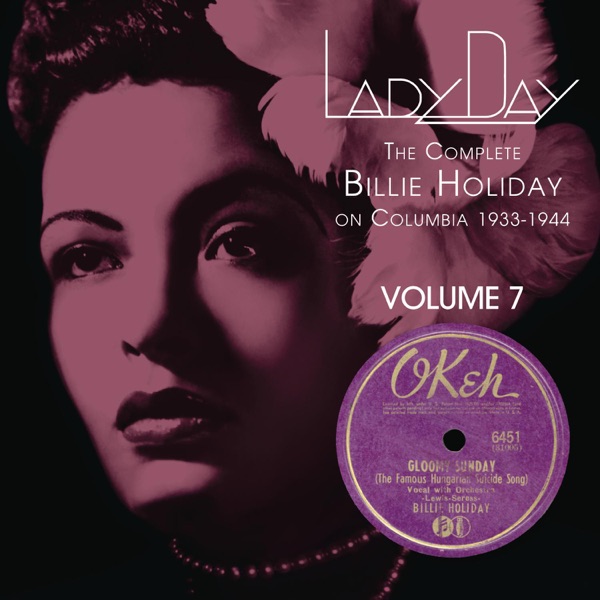
Lady Day: The Complete Billie Holiday On Columbia (1933-1944) 1933
The musicians on this record

Night Train 1963
Oscar Peterson
plays piano here
plays piano here
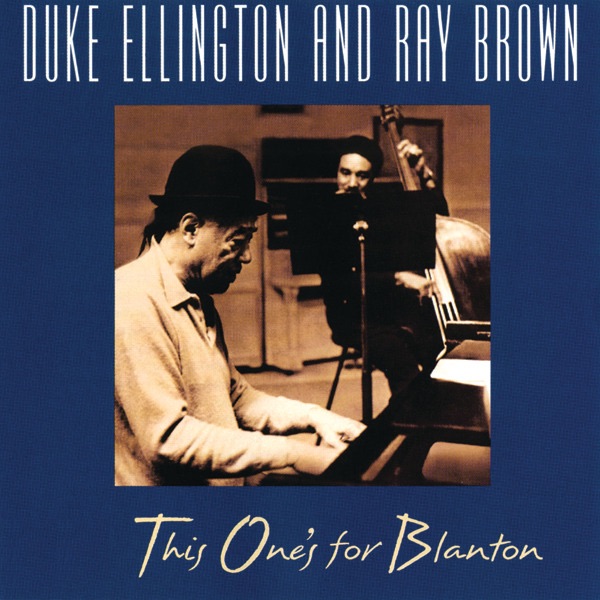
This One's for Blanton! 1975
Ray Brown
plays double bass here
plays double bass here

Barney Kessel, Volume 3: "To Swing or Not to Swing" 1955
Barney Kessel
plays guitar here
plays guitar here


