1933 · Album
Lady Day: The Complete Billie Holiday On Columbia (1933-1944)
Recorded 1933-1944 · Columbia Records · Produced by John Hammond (sessions)
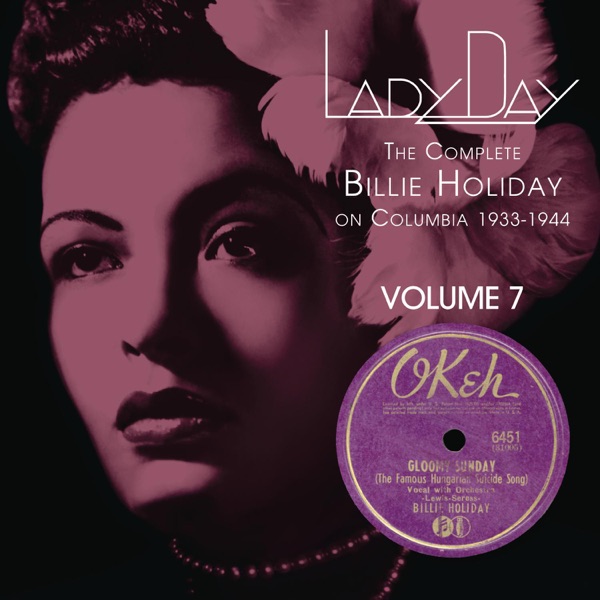
The Voice Finding Its Power
These recordings capture Holiday at the exact moment her voice became the instrument that changed jazz singing forever.
This collection documents Billie Holiday during her Columbia years, a period when she was still establishing herself but already sounding like no one else in jazz. What's striking about these recordings is how you can hear her figuring out what her voice could do—not the polished artist of later years, but someone discovering her own authority in real time. The early sides here are looser, more playful, with Holiday still working within the swing idiom of the day. But even then, the phrasing is distinctly hers: she bends notes in ways that feel almost conversational, finding emotion in places other singers weren't looking.
By the mid-1930s into the early 1940s, her approach deepens. These later Columbia recordings show a singer who's learned to make space within a song, to use silence and restraint as powerfully as her voice itself. She's working with solid swing orchestras, but the arrangements rarely get in her way—they're a backdrop for what she's doing vocally. The material ranges from standard jazz fare to some deeper cuts, and Holiday treats each one with genuine attention. She's not trying to be profound or revolutionary; she's simply trying to tell you what a song means.
If you're new to Holiday, this collection works as an entry point, though it's not quite her most famous recordings. These are the roots before the legend. They matter because they show you the singer becoming herself, learning to make every phrase count. It's less polished than some of her later work, more raw in places, but that rawness is part of why these sides endure. You're hearing Holiday before the full weight of her life experience shows up in every note—which means you're hearing something valuable and real.
Who's playing
Artie Bernsteindouble bass
John Kirbydouble bass
Buck Washingtonpiano
Teddy Wilsonpiano
Dick McDonoughguitar
John Trueheartguitar
Art Karletenor saxophone
Ben Webstertenor saxophone
Shirley Claytrumpet
Charlie Teagardentrumpet
Roy Eldridgetrumpet
Jack Teagardentrombone
Gene Krupadrums
Cozy Coledrums
Benny Goodmanclarinet
Where next?
More by Billie Holiday
All 24 albums →


The musicians on this record
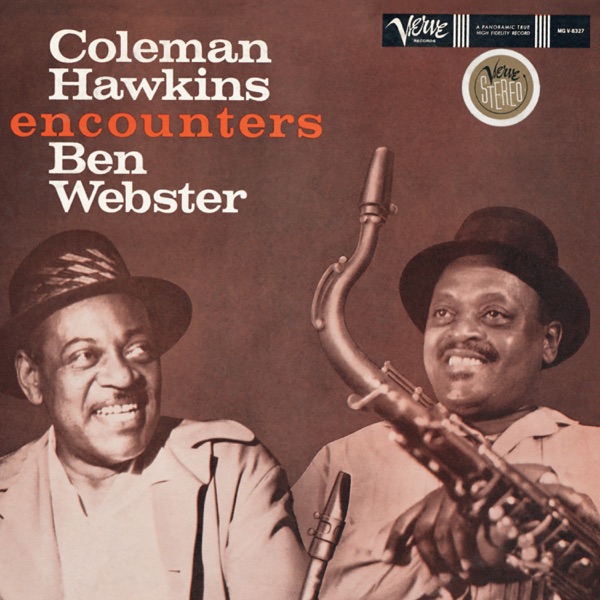
Coleman Hawkins encounters Ben Webster 1959
Ben Webster
plays tenor saxophone here
plays tenor saxophone here

Roy and Diz 1954
Roy Eldridge
plays trumpet here
plays trumpet here

B.G. in Hi-Fi 1954
Benny Goodman
plays clarinet here
plays clarinet here