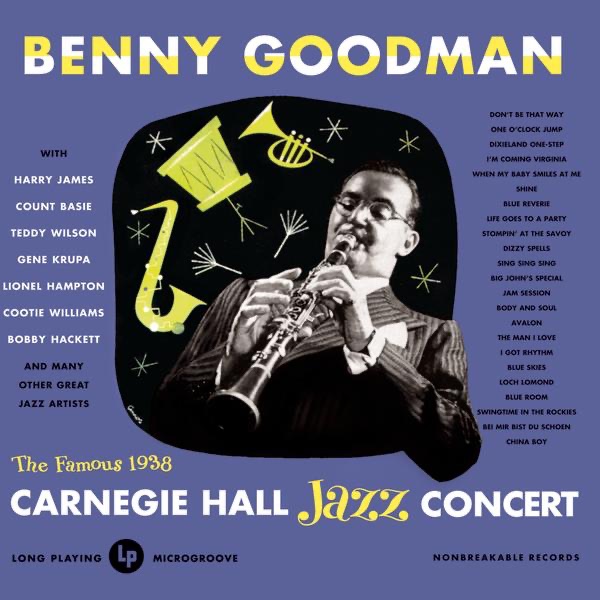
The King Who Could Play
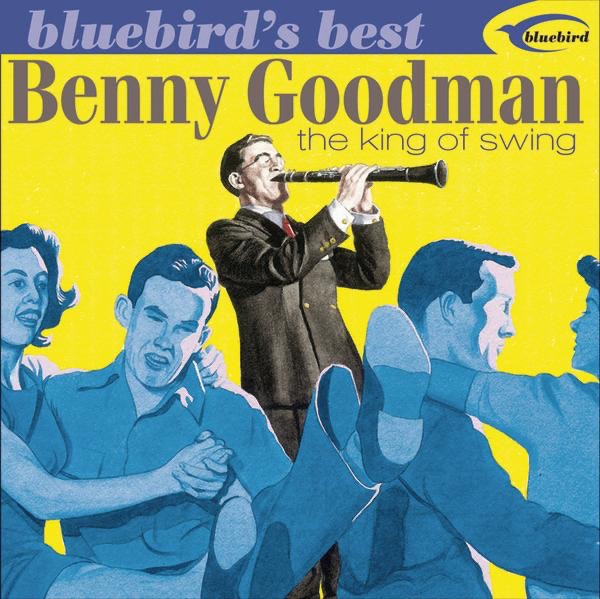
If you grew up hearing Benny Goodman's name attached to the phrase 'King of Swing,' you could be forgiven for assuming he was mostly a marketing product. The title was real enough — his 1938 Carnegie Hall concert was a genuine cultural moment, the kind of thing people still talk about — but it overshadows the fact that Goodman was a genuinely serious musician. He grew up poor in Chicago, started playing clarinet young, and was working professional gigs while still a teenager. He didn't stumble into jazz; he drove straight at it.
The big band stuff is where most people start, and it's worth spending time there. Sing, Sing, Sing (With a String) (1937) is the obvious entry point — that drum introduction from Gene Krupa is one of the most recognizable moments in jazz history — but the full band recordings from that period hold up surprisingly well. They're tight, they swing hard, and Goodman's own solos cut through cleanly. He had a tone on the clarinet that was bright without being thin, and a technical command that let him play fast without sounding like he was just running scales.
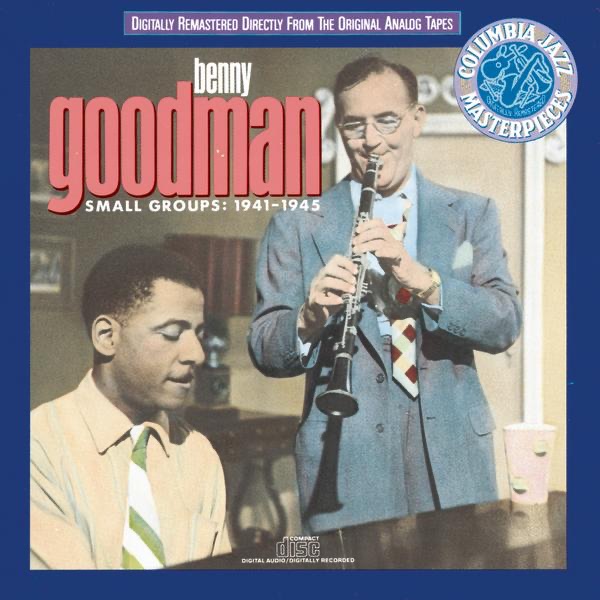
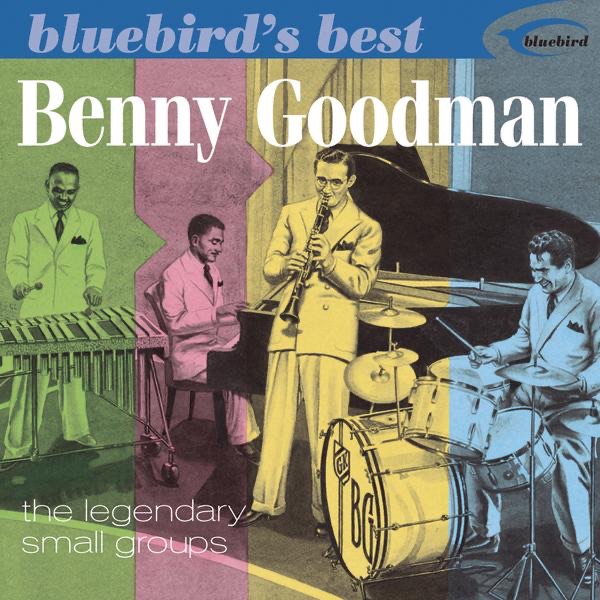
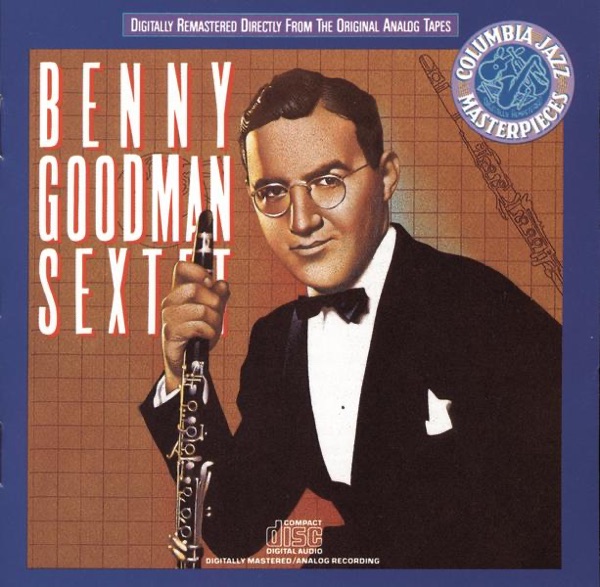
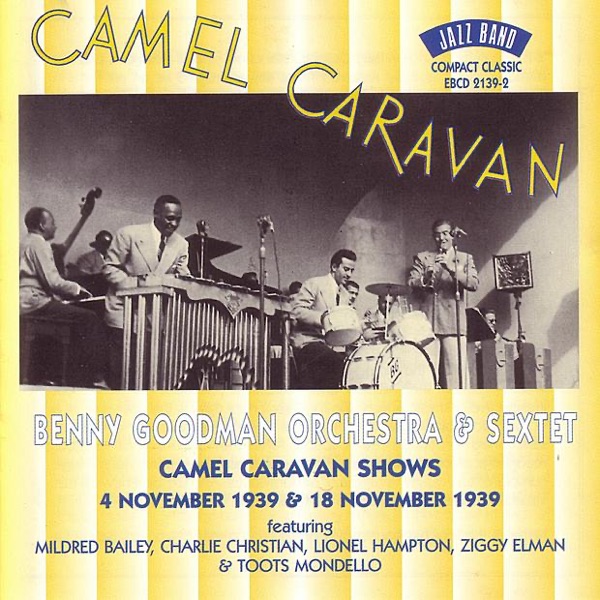
The small group work is where Goodman gets genuinely interesting, though. The trios and quartets he recorded with Teddy Wilson and Lionel Hampton in the mid-to-late 1930s are some of the best small-group jazz of that era. These weren't afterthoughts to the big band — Goodman cared about them, and it shows. The interplay is relaxed in a way the big band arrangements can't always be, and you hear him actually listening and responding. Worth noting: putting Teddy Wilson and Lionel Hampton — both African American — in a featured, public-facing group was a real statement at the time, not a gesture.
His relationship with bebop is a useful window into his limitations. When the music started moving in that direction in the 1940s, Goodman mostly didn't move with it. He tried, hired younger players, recorded some sessions that landed awkwardly. He was a disciplined musician but not a particularly adventurous one harmonically, and bebop demanded a different kind of ear. He was honest enough — or stubborn enough — to eventually just keep playing what he played well rather than pretending to make a transition that wasn't working.
What you're left with is a figure who deserves a bit of recalibration. The cultural baggage around 'King of Swing' can make him seem like a period piece, a relic of a specific marketing moment. But put on The Famous 1938 Carnegie Hall Jazz Concert (1938) or dig into the small group sides and you'll find a clarinet player who was genuinely excellent at what he did. Not everything he touched was interesting, and the pop star years produced plenty of filler. But the best of it still holds up, and that's more than you can say for most bandleaders who sold that many records.