1950 · Album
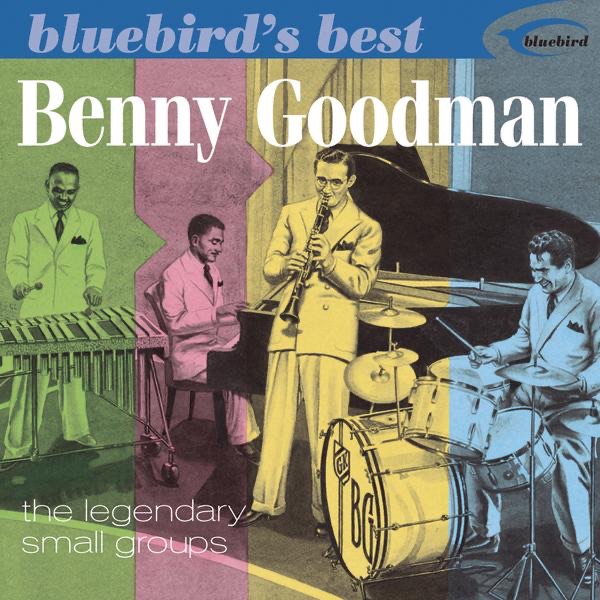
the legendary small groups
Recorded January 16, 1938 · Columbia Records · Venue: Carnegie Hall, New York City
Jazz's Coming Out Party at Carnegie Hall
The single most important jazz or popular music concert in history: jazz's coming out party to respectable music.
When Columbia issued the Carnegie Hall recording in 1950, they were releasing something that had already proven its historical weight. The January 16, 1938 concert itself was the moment — a big band premiere at the nation's most prestigious venue, a deliberate statement that jazz belonged in the same room as classical music. The 1950 LP vindicated that claim immediately. Listeners heard a band at its peak, swinging with purpose and control, capturing what the event had meant in real time.
What makes this recording essential is its fidelity to the actual performance and the sheer range on display. Benny Goodman's band plays with precision and lift, the soloists stepping forward cleanly, the arrangements giving each section room to breathe. This is not a studio construction — it is a live event, which means the energy is unforced and the stakes feel real. The recording quality, given its source and age, holds up with remarkable clarity.
When the 1999 reissue arrived, mastered from original acetates and supervised by Phil Schaap, critics took fresh notice. AllMusic gave it a perfect five stars. Cook and Morton, writing for Penguin, called it "a model effort," praising Schaap's detective work in recovering the source material and delivering "the music in the best sound we'll ever get." For anyone curious about why jazz mattered when it mattered, this is the document.
Where next?
More by Benny Goodman
All 61 albums →