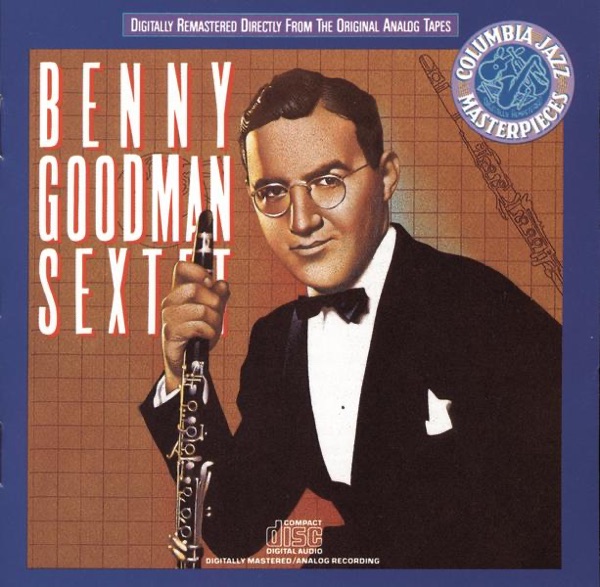
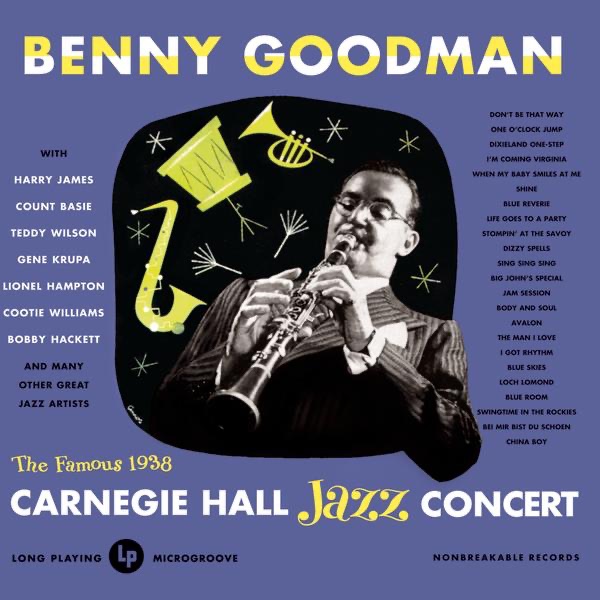
1950 · Album
Session for Six
Recorded 1944 · Columbia Records · Produced by Not specified in verified sources
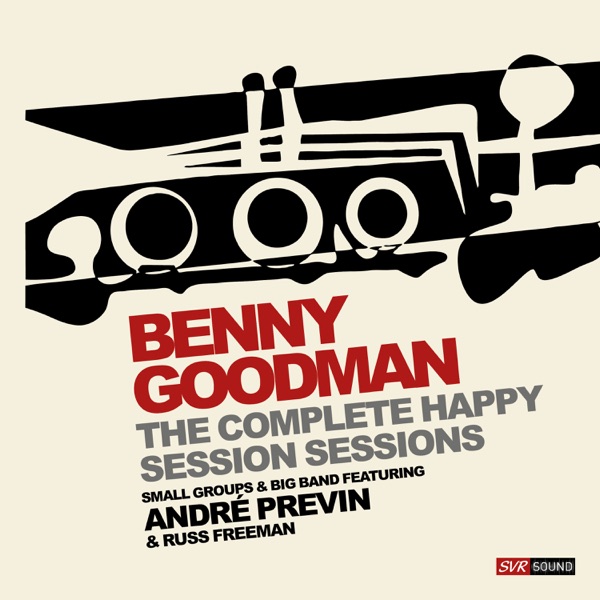
Six Players, One Room, Pure Heat
Hot music that draws crowds — Goodman knew exactly what he was doing with a small group.
The moment this record starts, you're in a tight space with six musicians who know each other's moves. The sound is clean and close, nothing hidden behind orchestration. Goodman's clarinet sits right in the middle of it all, warm and focused, while the rhythm section locks in underneath. There's no wasted space here — every voice has room to breathe, and the tempo sits somewhere between relaxed and urgent. You can hear why this approach mattered to Goodman. By 1944, he'd spent years leading big bands, but sextet dates let him play with real conversational flexibility. The music swings without announcement, and the interplay between instruments feels like people who've spent time together figuring out what works.
When Coin Machine Journal reviewed the album on release, they called it "full of the kind of hot music that really draws today's crowds." That wasn't hyperbole. Goodman understood commercial appeal without compromising the musicianship — six voices making straight-ahead jazz that didn't ask listeners to work too hard but rewarded actual attention. The recording quality captures the session cleanly, so every solo lands clearly and the rhythm section's work stays audible throughout.
This isn't a turning point in Goodman's story or a hidden gem waiting for rediscovery. It's a solid small-group date that shows what happened when he stopped conducting and started playing alongside people he trusted. If you've heard Goodman's big band work and want to understand his approach in tighter settings, this is exactly where to start.