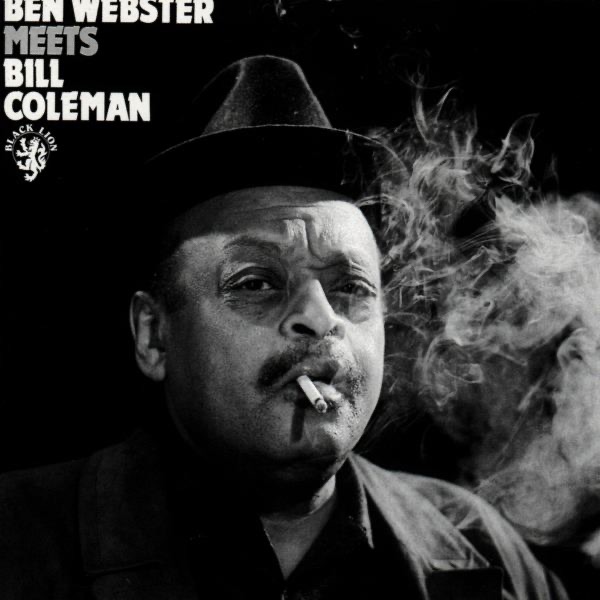
The Growl Behind the Whisper
Webster came up through the Kansas City scene in the late 1920s and early 1930s, moving through a string of territory bands and absorbing the rolling, blues-soaked vocabulary that defined that region's jazz. He was already a serious player before he got to New York, but it was his time with Duke Ellington starting in 1940 that really put him on the map. The Ellington band was where he found his voice — or rather, both of his voices.
That split personality is the thing you notice first. Put on a ballad like his reading of 'Danny Boy' or 'Where Are You' and the sound is almost foggy, air leaking around the notes in a way that feels completely intentional. It shouldn't work as well as it does, but it absolutely does. Then drop into one of his uptempo pieces and the tone changes completely — harder, rougher, pushing against the beat. Most saxophonists spend their whole careers trying to get one characteristic sound. Webster had two, and he switched between them like flipping a light switch.
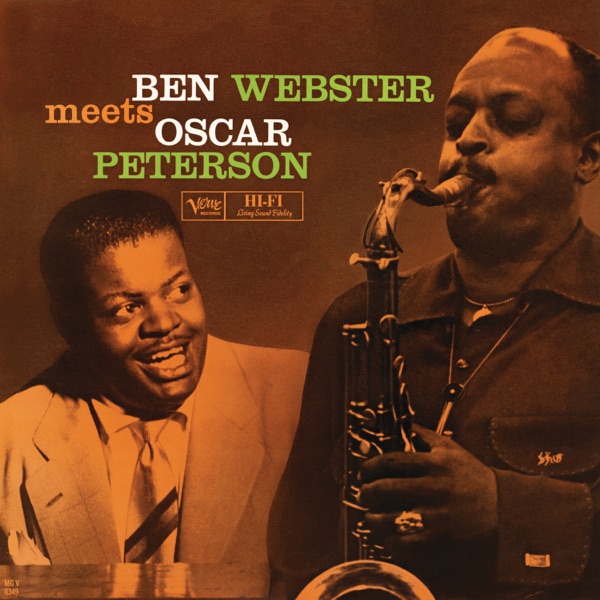
After his years with Ellington he worked as a freelancer around New York, recording prolifically through the 1950s with everyone from Art Tatum to Oscar Peterson to Gerry Mulligan. His album Soulville (1957) on Verve with the Oscar Peterson trio is one of the best places to start — Peterson's group gives him just enough cushion to lean back into, and Webster sounds completely at ease. He also recorded Ben Webster Meets Oscar Peterson (1959), which is exactly what it sounds like and delivers everything you'd want from that pairing.
By the early 1960s Webster had moved to Europe, first Amsterdam and then Copenhagen, and it suited him well. The Europeans took him seriously as an elder statesman of the music, gave him steady work, and a lot of the recordings from this period are genuinely excellent — relaxed, unhurried, recorded with care. He became a familiar figure in Copenhagen bars and clubs, a big man with a hat who could still play with real authority when the occasion called for it.
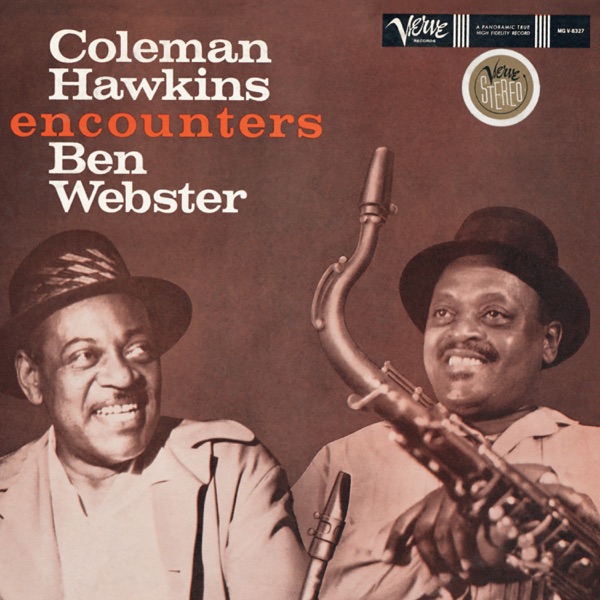
If you're new to Webster, the ballads are the obvious entry point, but don't skip the stomping stuff entirely or you'll only get half the picture. He was equally serious about both. There's a reason Coleman Hawkins and Lester Young were considered the twin poles of tenor playing, and Webster sat somewhere in his own pocket between them — warmer than Hawkins at his most aggressive, harder-edged than Lester at his most lyrical. That's not a small thing to pull off.