1959 · Album
The Soul of Ben Webster
Recorded 1959 · Verve Records · Produced by Norman Granz
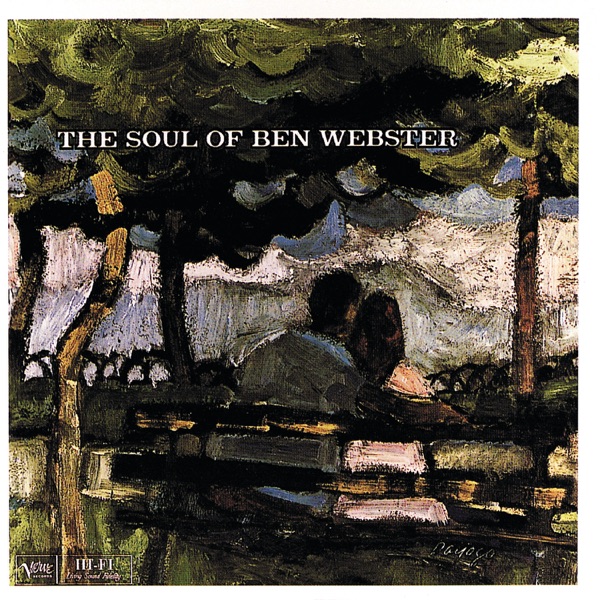
Webster in Command: A Saxophonist at Full Strength
Webster leads from the front here, trading space with capable partners but never surrendering control of the session.
By the time Ben Webster recorded The Soul of Ben Webster, he had already spent years in the studios and bandstands alongside Duke Ellington, Billie Holiday, and Johnny Hodges. This was not a debut or a reinvention—it was a mature artist making a statement on his own terms, with the confidence that comes from knowing exactly what you can do with a tenor saxophone. Webster was at the height of his powers, past the proving stage, recording as a bandleader among capable peers.
He brought together Art Farmer on trumpet, Harold Ashby on tenor, Jimmy Jones at the piano, Mundell Lowe on guitar, Milt Hinton on bass, and Dave Bailey behind the drums. This was a working band, not a all-star lineup assembled for prestige. The arrangements give Webster room to breathe—long, unhurried statements where his tone can fill the space. Farmer and Ashby support rather than compete, and Jones keeps things grounded without getting in the way. The rhythm section understands the assignment: propulsion without rush.
What makes this record sit apart from Webster's Ellington work is the freedom. He's not filling a section role or trading solos within a larger orchestra. Here he sets the pace, chooses the repertoire, shapes the mood. The playing is direct and unsentimental—this is Webster doing what suits him, surrounded by musicians who know how to listen.
Who's playing
Milt Hintondouble bass
Jimmy Jonespiano
Mundell Loweguitar
Harold Ashbytenor saxophone
Ben Webstertenor saxophone
Art Farmertrumpet
Dave Baileydrums
Where next?
More by Ben Webster
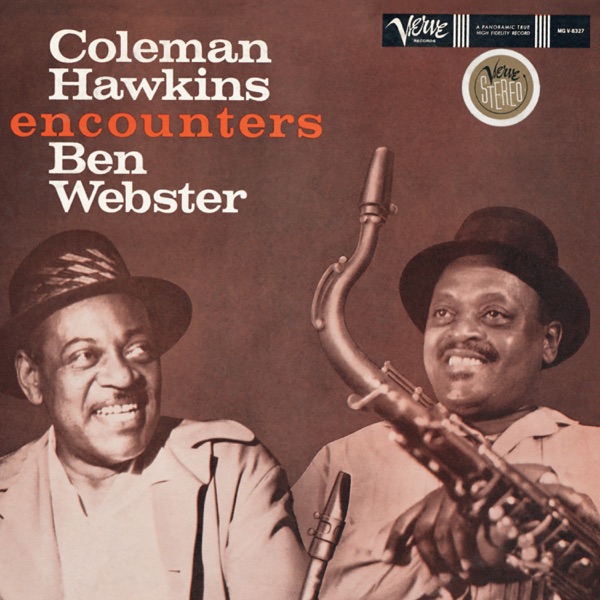
Coleman Hawkins encounters Ben Webster 1959

The Tatum Group Masterpieces 1958

At the Renaissance 1960
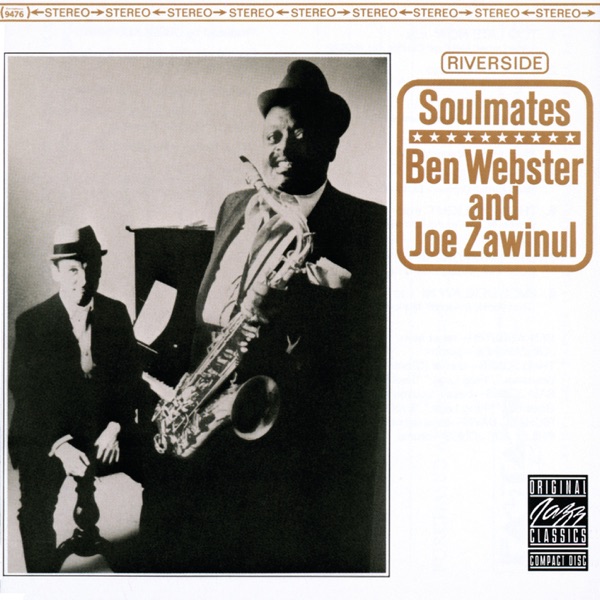
Soulmates 1963
The musicians on this record
Their own records, close in time



