1962 · Album
BBB & Co.
Recorded 1962 · Swingville · Produced by Not specified in provided sources
Three Voices, Unrushed, Still Swinging
Webster, Carter, and Bigard prove that swing doesn't need to shout to be heard.
By 1962, when Benny Carter, Ben Webster, and Barney Bigard came together for BBB & Co., all three were navigating a jazz world that had largely moved past them. bebop and cool jazz had dominated the 1950s; hard bop and modal experiments were the conversation now. These three swing masters were out of fashion—neglected, as AllMusic reviewer Scott Yanow put it—but they didn't seem to mind. They simply played the music they knew, without apology or strain.
What makes this album matter is how easily these three work together. There's no urgency, no need to prove anything. Carter leads with his characteristic smoothness, Webster brings warmth and a sense of ease, and Bigard sits comfortably in the reeds. The sessions feel like friends playing in a room, not combatants trying to outplay each other. NPR's Murray Horwitz heard it too—he called the album "deceptively simple" and praised the "playfulness" running through it, the kind of musicality that only comes from decades of knowing how to listen to each other.
This is not essential listening. It won't change your understanding of jazz. But if you care about swing at all, if you want to hear what happens when master musicians decide that fun and swing matter more than fashion, it's completely worth your time. By the early 1960s, Webster would soon leave the U.S. permanently for Europe, and moments like these—straightforward, honest, unadorned swing—became harder to find. The album works precisely because nobody involved was trying to be anything other than what they were.
Who's playing
Leroy Vinnegarbass
Jimmy Rowlespiano
Dave Barbourguitar
Ben Webstertenor saxophone
Shorty Sherocktrumpet
Mel Lewisdrums
Barney Bigardclarinet
Benny Carterwind instruments
Where next?
More by Ben Webster
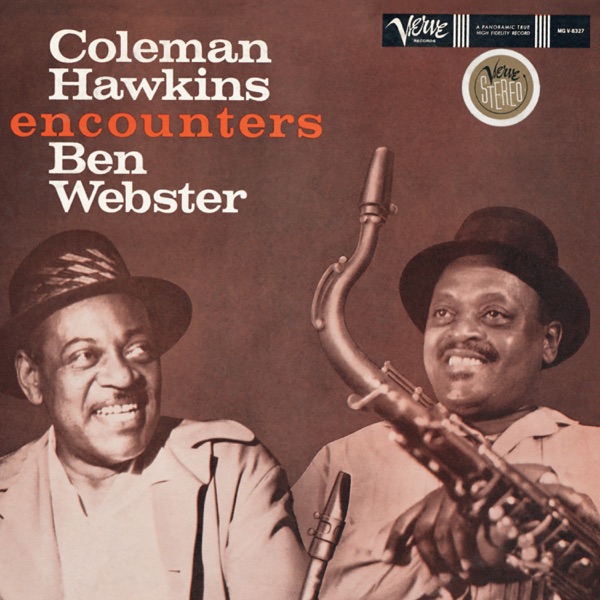
Coleman Hawkins encounters Ben Webster 1959

The Tatum Group Masterpieces 1958

At the Renaissance 1960
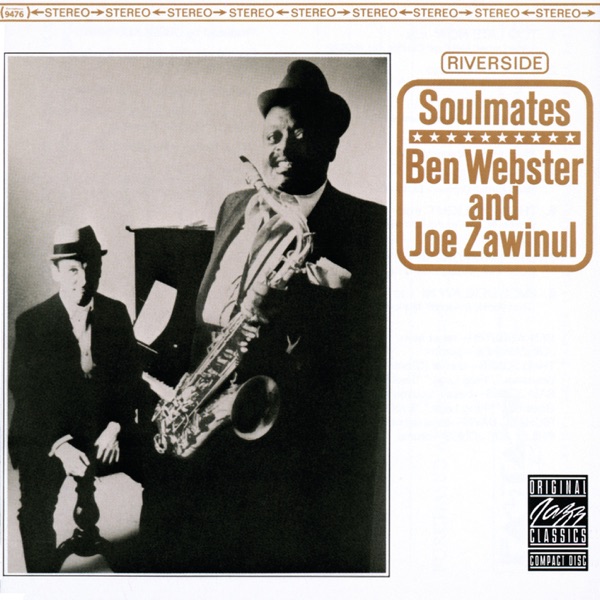
Soulmates 1963
The musicians on this record
Their own records, close in time


