1959 · Album
All Or Nothing At All
Recorded 1958 · Verve Records · Produced by Norman Granz

When Holiday Stands Alone with Everything
Holiday strips away the arrangements and lets her voice carry the whole weight of these standards.
All Or Nothing At All catches Billie Holiday at a point where her voice had deepened and roughened from years of living, and she knew exactly how to use that. These are standards, the kind of songs she'd sung before, but something about this session feels different—leaner, more direct. Holiday isn't trying to convince you of anything. She's just telling you how things are, and that matters more than any orchestration behind her.
The album sits somewhere between her early work and her later recordings. By this point in her career, Holiday had already lived through enough for several lifetimes, and you can hear it in the phrasing. She takes her time with these songs. There's no rush, no need to prove anything. The accompaniment is there, but it knows its place. This is her record, and the musicians understand they're supporting someone who doesn't need much support anymore.
If you're coming to Holiday for the first time, start with Strange Fruit or Lady Sings the Blues (1956) instead—those records show you what she was about before age and disappointment became part of her sound. All Or Nothing At All is for when you're ready to hear that voice without the mythology, when you want to know what happens when a great singer simply has nothing left to prove and everything to say. It's not her most celebrated work, but it's honest in a way that matters.
Who's playing
Joe Mondragondouble bass
Red Mitchelldouble bass
Jimmy Rowlespiano
Barney Kesselguitar
Ben Webstertenor saxophone
Harry “Sweets” Edisontrumpet
Alvin Stollerdrums
Where next?
More by Billie Holiday

Solitude 1952

Music for Torching

Stay With Me 1958
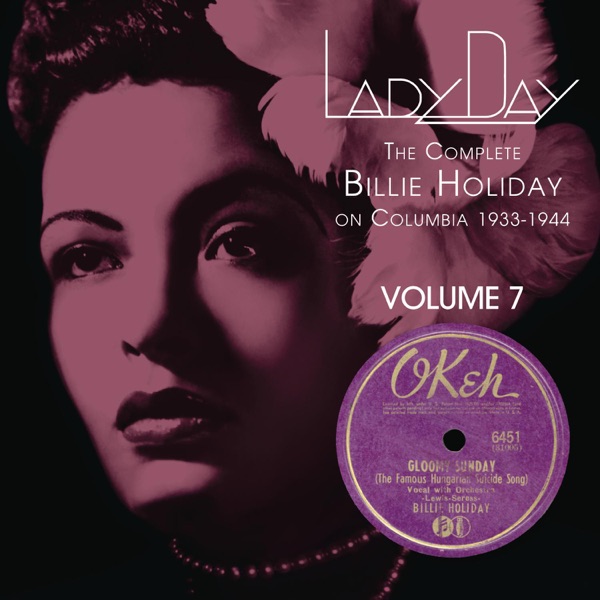
Lady Day: The Complete Billie Holiday On Columbia (1933-1944) 1933
The musicians on this record
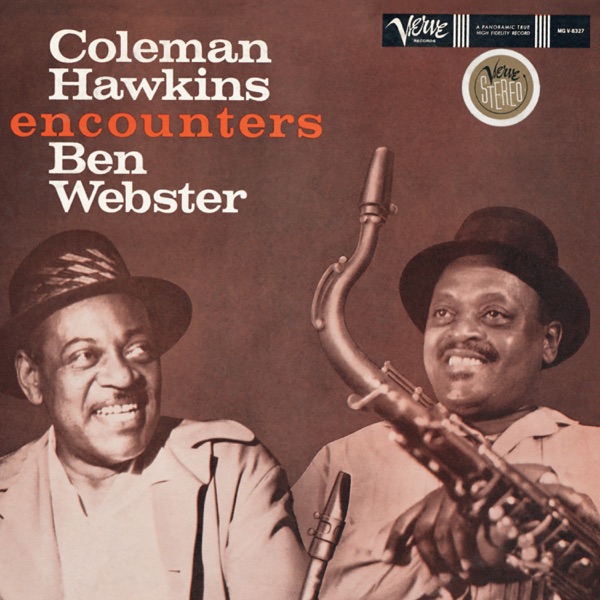
Coleman Hawkins encounters Ben Webster 1959
Ben Webster
plays tenor saxophone here
plays tenor saxophone here

Barney Kessel, Volume 1: Easy Like 1956
Barney Kessel
plays guitar here
plays guitar here

Bob Brookmeyer Featuring John Williams & Red Mitchell 1963
Red Mitchell
plays double bass here
plays double bass here

Weather in a Jazz Vane 1957
Jimmy Rowles
plays piano here
plays piano here


