1947 · Album
Billie Holiday
Recorded 1952–1957 · Clef Records / Verve Records · Produced by Norman Granz

Lady Day, Unfiltered and Fully Herself
Holiday doesn't just sing these songs — she takes them apart and puts them back together her way.
There's a reason people keep coming back to Billie Holiday's recordings decades after they were made. It's not nostalgia, exactly — it's that Holiday does something most singers don't. She doesn't treat a melody as something fixed. She bends the phrasing, slows down where you'd expect a rush, rushes where you'd expect a pause, and the whole effect is that the song feels like it's happening right now, not being performed. Her friend and frequent collaborator Lester Young nicknamed her Lady Day, and that name stuck because it fit — she had a presence that was entirely her own.
This self-titled collection pulls together some of her essential work and gives you a solid picture of what made her so influential to jazz and pop singing alike. You can hear exactly how her approach worked — she was listening to jazz instrumentalists more than other vocalists, and it shows. The way she handles time and phrasing is closer to what a horn player does than what most singers of her era were doing. She's improvising, adjusting, finding her way through a lyric in real time. That's not a small thing.
If you're new to Holiday, this is a reasonable place to start. If you already know her well, you know what you're getting: a singer who was genuinely doing something different, and who influenced pretty much every jazz vocalist who came after her. The recordings are of their era — they have the warmth and occasional limitations of mid-century studio work — but the voice cuts through all of that cleanly. She doesn't need modern production to hold your attention. She just needs you to sit still and listen.
Who's playing
Ray Browndouble bass
Oscar Petersonpiano
Barney Kesselelectric guitar
Flip Phillipstenor saxophone
Charlie Shaverstrumpet
Alvin Stollerdrums
Where next?
More by Billie Holiday
All 24 albums →


The musicians on this record

Night Train 1963
Oscar Peterson
plays piano here
plays piano here
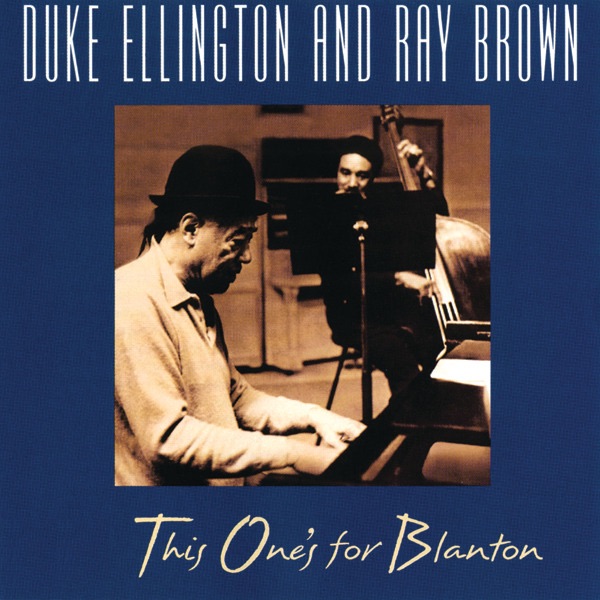
This One's for Blanton! 1975
Ray Brown
plays double bass here
plays double bass here

Barney Kessel, Volume 3: "To Swing or Not to Swing" 1955
Barney Kessel
plays electric guitar here
plays electric guitar here


