1956 · Album
The Lady Sings
Recorded 1956 · Clef Records · Produced by Norman Granz

When a Woman Owns Her Sorrow
Holiday's voice here is seasoned, knowing exactly what each song demands and delivering it without flinching.
By the time Holiday recorded The Lady Sings (1956), she'd already lived several lifetimes' worth of pain and triumph. This album sits somewhere in the middle of her career—not her earliest work, not her final recordings, but a moment where her voice had deepened and her interpretations had gotten sharper. She's singing standards, sure, but she's not just performing them. She's claiming them.
What makes this collection stand out is how deliberate it feels. Holiday doesn't rush through these songs or try to impress you with technical flourishes. "A Fine Romance" becomes an exercise in controlled bitterness. "Comes Love" is rendered with this almost conversational intimacy, like she's telling you something she probably shouldn't. The accompaniment stays lean and purposeful—nothing clutters her voice or asks it to compete. The orchestra arranging knows its place. This is about what Holiday chooses to reveal in each lyric, each pause, each slight bend of a note.
This isn't the album to start with if you're just getting to know her. Lady Sings the Blues (1956) or her earlier Columbia sides offer a different entry point. But if you already know Holiday's work and want to hear her at a point where wisdom and weariness had become inseparable, this is essential. She's not performing sadness here—she's lived in it, and now she's singing from inside it. That distinction matters.
Who's playing
John Kirbydouble bass
Artie Bernsteindouble bass
Milt Hintondouble bass
Teddy Wilsonpiano
Clyde Hartpiano
Lawrence Lucieguitar
Dick McDonoughguitar
Allan Reussguitar
Harry Carneybaritone saxophone
Johnny Hodgesalto saxophone
Ben Webstertenor saxophone
Jonah Jonestrumpet
Bunny Berigantrumpet
Irving Randolphtrumpet
Cozy Coledrums
Gene Krupadrums
Irving Fazolaclarinet
Vido Mussoclarinet
Where next?
More by Billie Holiday
All 24 albums →


The musicians on this record
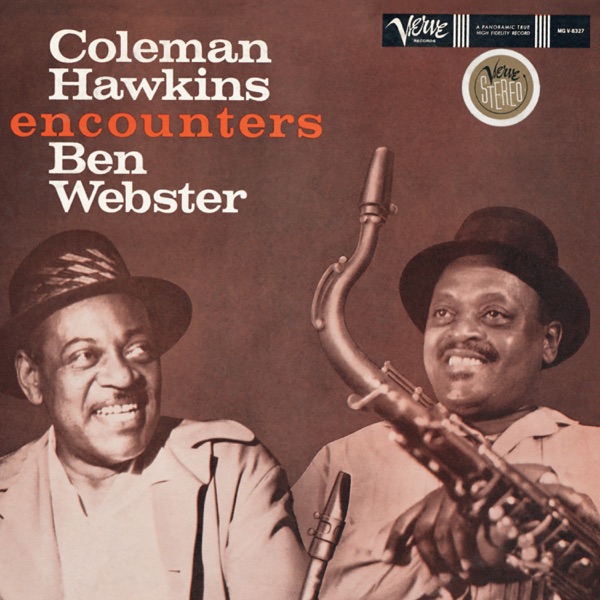
Coleman Hawkins encounters Ben Webster 1959
Ben Webster
plays tenor saxophone here
plays tenor saxophone here
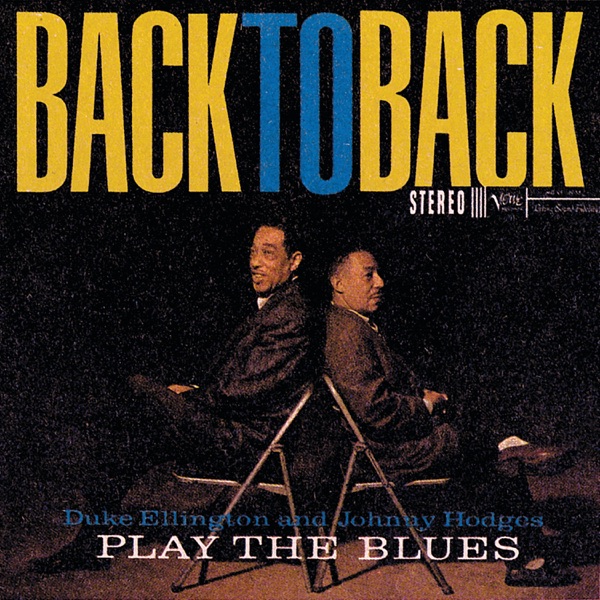
Back to Back: Duke Ellington and Johnny Hodges Play the Blues 1959
Johnny Hodges
plays alto saxophone here
plays alto saxophone here


