The Left Hand That Wouldn't Quit
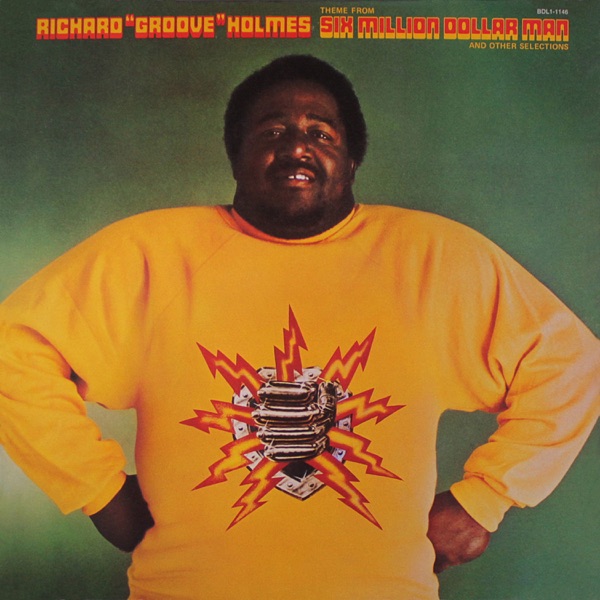
If you want to understand what soul jazz organ is supposed to sound like, start with Groove Holmes. He came up in New Jersey in the early fifties, learned the instrument well enough to make it sound like a full rhythm section by itself, and spent the next few decades proving that a Hammond B-3 could swing as hard as any horn section if you knew where to put the bass pedals. His left hand did the work most organists needed a bass player for, which is exactly why bands loved hiring him — he simplified the whole operation.
The record most people know is Soul Message (1965), and specifically the version of Misty on it. That track became a surprise hit on jukeboxes and radio, which is a strange thing to happen to an eight-minute organ trio reading of a ballad, but it happened, and it made Holmes a name outside the organ-and-tenor circuit he'd been working in for years. Before that he'd already made his mark with Groove (1961) on Pacific Jazz, a record that laid out his whole approach — greasy, unhurried, built for a Saturday night crowd rather than a concert hall.
He wasn't an innovator in the way people use that word about Larry Young or even Jimmy Smith's early sides. Holmes took the organ trio format Smith had already popularized and pushed it toward something bluesier and more relaxed, closer to gospel church than bebop harmony. His tempos rarely rushed. He liked space, he liked a fat tone, and he liked tunes people already knew — standards, ballads, the occasional pop hit — rather than difficult original compositions. That's not a knock. It's just what he was good at, and he knew it.
He worked steadily with saxophonists his whole career, trading ideas with Ben Webster and later collaborating with Gene Ammons and Les McCann, who'd helped get him signed to Pacific Jazz in the first place. None of these records tried to be complicated. They were meant to sound good coming out of a bar's speakers at eleven at night, and on that measure Holmes never really missed. If you put on one of his Prestige or Pacific Jazz albums expecting fireworks, you'll be disappointed. If you put it on expecting a deep, unhurried groove that never lets go, you'll understand why organ players still talk about him.