The Organ as Main Event
Picture a small club, the air thick, the bass rumbling up through the floorboards — that's the world Jimmy Smith created every time he sat down at the Hammond B-3. The organ had been heard in jazz settings before, but Smith approached it with a pianist's harmonic intelligence and a bassist's rhythmic authority simultaneously, playing the bass lines with his left hand and feet while his right hand delivered melodic runs that could match any saxophonist on the bandstand. The effect was enormous, like a whole band compressed into one person.
Smith grew up in Norristown, Pennsylvania, and came up through the usual routes — piano, bass, working local gigs — before committing fully to the organ in his mid-twenties. His early recordings for Blue Note in the late 1950s are where you want to start. Albums like A New Star - A New Sound (1956) and The Incredible Jimmy Smith at the Organ (1956) caught him at his most raw and hungry. The grooves are deep, the tempos range from a slow simmer to a full boil, and there's a directness to the playing that never lets you forget this music is meant to make you feel something physical.
What separated Smith from imitators was the way he treated the organ's limitations as features rather than problems. The instrument sustains differently than a piano, and Smith leaned into that — he'd hold chords, let them bloom, then cut them sharply for rhythmic punctuation. His articulation was incredibly crisp for an instrument that can easily turn muddy. He also had serious bebop chops; he could navigate complex chord changes at speed without losing the groove, which meant he appealed equally to jazz purists and to people who just wanted to dance.
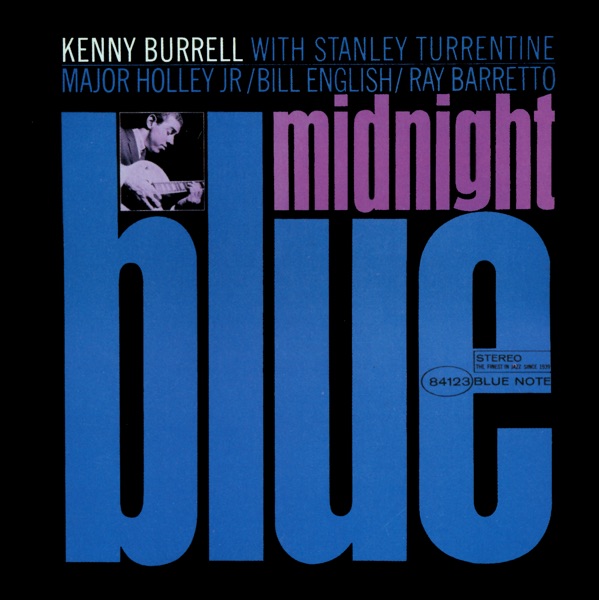
His collaborations are worth seeking out specifically. Working with guitarist Kenny Burrell produced some of the finest small-group soul jazz on record, and his sessions with arranger Oliver Nelson — particularly The Cat (1964) — showed that his sound could survive, even thrive, in a big-band context. His partnership with guitarist Wes Montgomery on Further Adventures of Jimmy and Wes (1966) is loose and joyful in a way that a lot of their individual records aren't. These aren't just historical footnotes; they're genuinely fun listens.
Smith's influence runs through nearly every organ player who came after him — Jack McDuff, Jimmy McGriff, Larry Young, and eventually Joey DeFrancesco all owe him a significant debt, even when they were consciously moving away from his style. He kept performing and recording into his later years, and the playing never really diminished. If you're new to him, start with Back at the Chicken Shack (1963) — recorded in 1960 but released later — which features Stanley Turrentine on tenor and captures exactly the kind of unhurried, after-hours feeling that made Smith's small-group work so addictive.