The Sound That Wouldn't Let Go
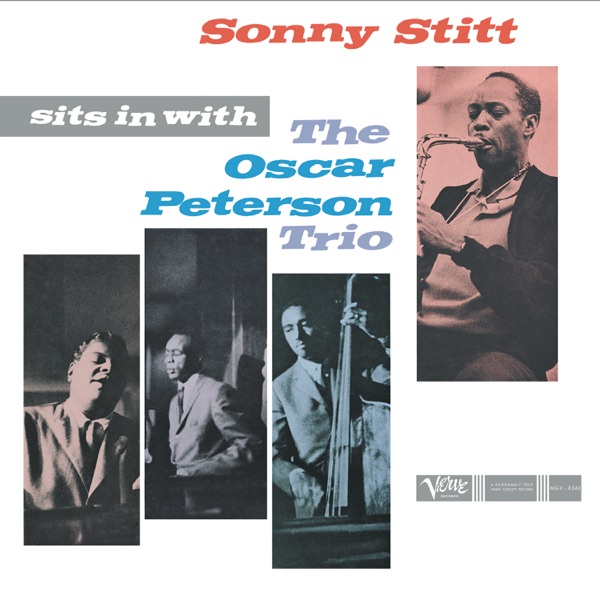
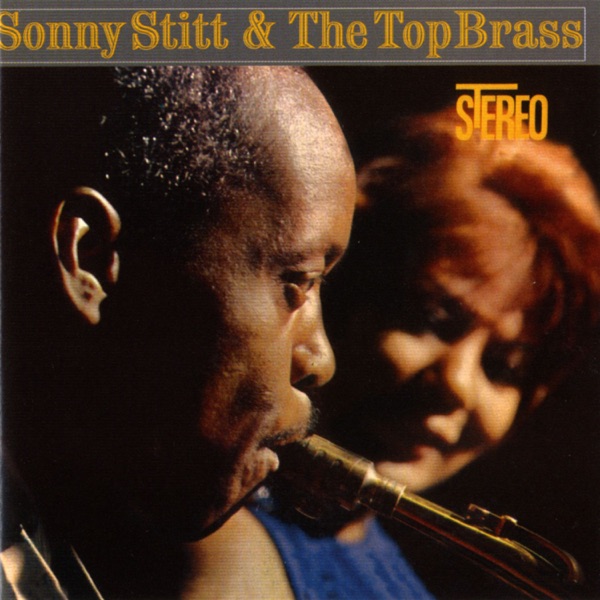
Here's the thing about Sonny Stitt: he came up playing alto in the mid-1940s sounding so close to Charlie Parker that people accused him of copying, even though he always insisted he'd arrived at that sound on his own, around the same time, in a different city. That argument followed him his entire life. So he switched over to tenor for a stretch, found his own voice on the bigger horn, and then went back and forth between the two for the next three decades, refusing to be pinned down to either.
What you notice first listening to Stitt is how clean everything is. The lines are fast but never sloppy, the phrasing is bebop through and through, but there's a directness to it, almost a bluesy plainness underneath the technical fireworks. He wasn't chasing new harmonic territory the way John Coltrane was around the same years. He was doing something else: playing bebop vocabulary with total command, night after night, in clubs, on cheap dates, on classic sessions, wherever the work was.
And there was a lot of work. Stitt recorded constantly, for Prestige, Verve, Roost, Atlantic, later Muse — sometimes multiple albums in a single year, some brilliant, some just fine. Sonny Side Up (1957), the session with Dizzy Gillespie and Sonny Rollins, is the one people point to, three tenor and alto voices trading fours with real heat. But just as telling are the tenor battle records with Gene Ammons, two guys who'd known each other since they were young, going chorus for chorus like it was a friendly argument that never got resolved and didn't need to be.
In the 1960s Stitt drifted into soul jazz territory, cutting records with organists like Don Patterson and Brother Jack McDuff, leaning into the greasy, church-inflected side of the music that had always been there under the bebop surface. It suited him. He could play blues with the same ease he played 'Cherokee' at breakneck tempo, and those organ-combo records hold up as some of the most purely enjoyable things he ever put on tape.
Stitt never gets talked about with the reverence reserved for Parker or Coltrane, and honestly, that's fair — he wasn't reshaping the music's direction. But if you want to hear bebop played by someone who lived inside it completely, who could pick up either saxophone on any given night and just deliver, start with Stitt. He made a career out of being reliably, ferociously good, which turns out to be its own kind of achievement.