Stitt in Stride: A Chicago Session
Stitt doubles on alto and tenor, playing basic blues with unfamiliar titles in above-average form.
This 1958 Chicago date sits squarely in Sonny Stitt's middle period—after he'd established himself as a credible voice on both alto and tenor, but before any particular record would define his legacy. He wasn't yet the elder statesman he'd become, but he wasn't hungry for reinvention either. This is a working musician doing solid work on a working date.
The session pairs Stitt with Oscar Peterson, Ray Brown, Herb Ellis, and Roy Eldridge, a lineup that could have summoned real fire if everyone had leaned in. Instead, the temperature stays pleasantly warm. Stitt divides his time between alto and tenor, moving fluidly between both without claiming a favorite. The material, as the Allmusic reviewer noted, uses unfamiliar titles but relies on basic blues changes—half the tunes are blues, the other half follow familiar harmonic roads. That's not a limitation so much as an honest statement of purpose: this is bebop craftwork, not experimentation.
What matters here is consistency. Stitt plays in above-average form throughout, which means his lines are neat and logical, his tone full, his time solid. Nothing surprises you, but nothing disappoints either. This is the kind of album jazz collectors pick up because it rounds out their understanding of a player, not because it rewrites anything. For casual listeners, Moanin' (1958) by Art Blakey offers more heat. For Stitt specialists, it's exactly what you'd expect from a Tuesday in the studio.
Who's playing
Ray Browndouble bass
Oscar Petersonpiano
Herb Ellisguitar
Sonny Stittalto saxophone
Roy Eldridgetrumpet
Stan Leveydrums
Where next?
More by Sonny Stitt

Sonny Stitt Bud Powell J.J. Johnson 1956

Kaleidoscope 1957

New York Jazz 1956

The Saxophones Of Sonny Stitt 1957
The musicians on this record
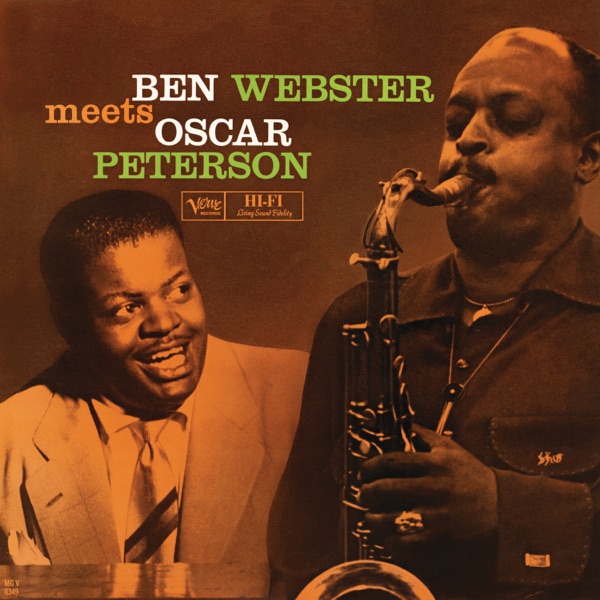
Ben Webster Meets Oscar Peterson 1959
Oscar Peterson
plays piano here
plays piano here

Cannonball Adderley and the Poll-Winners 1960
Ray Brown
plays double bass here
plays double bass here

Herb Ellis Meets Jimmy Giuffre 1959
Herb Ellis
plays guitar here
plays guitar here

The Art Tatum - Roy Eldridge - Alvin Stoller - John Simmons Quartet 1955
Roy Eldridge
plays trumpet here
plays trumpet here