1951 · Album
Genius of Modern Music, Volume 2
Recorded 1952-1954 · Blue Note · Produced by Alfred Lion
The Second Volume of Monk's Blue Note Innovations
Volume Two shows Monk in his element: compositionally restless, harmonically bold, playing piano like no one else.
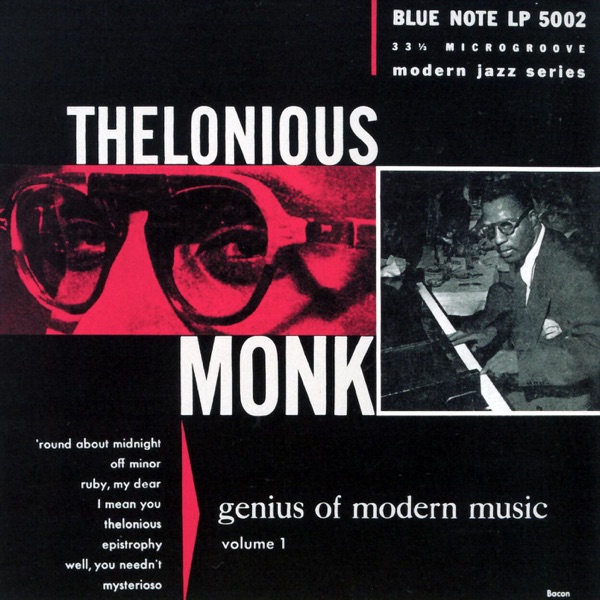
Genius of Modern Music, Volume Two is the companion piece to Thelonious Monk's first collection, released by Blue Note in 1956. Where Volume One established Monk's arrival as a major force in jazz, this second set deepens the picture. These are studio recordings that capture him working through ideas—sometimes in trio settings, sometimes with a small group—and the playing feels direct and unpolished in the best way. You hear him thinking through the pieces, testing different approaches to harmony and rhythm that wouldn't show up the same way in a live performance.
What matters here is the compositional voice. Monk was writing things that didn't fit neatly into bebop or swing, even though he came up in those worlds. His tunes have odd angles and unexpected pauses. The melodies sometimes sit awkwardly on the beat, and his piano accompaniment behind soloists can be spare to the point of unsettling—just a few notes where another pianist would fill the space. It sounds deceptively simple until you try to sing one of his themes or play along. Then you understand the design underneath.
This album sits early in Monk's career, before he became the towering figure of 1960s jazz. If you're new to him, Volume Two works as a second step after his most accessible work, though neither volume is easy listening in the conventional sense. Later CD reissues included additional material from these same sessions, giving listeners a fuller picture of what he was doing in the studio. For Monk fans, these volumes remain essential documents of a major artist finding his voice.
Who's playing
Al McKibbondouble bass
Bob Paigedouble bass
Gene Rameydouble bass
Thelonious Monkpiano
Sahib Shihabalto saxophone
Billy Smithtenor saxophone
Danny Quebec Westalto saxophone
George Taitttrumpet
Idrees Suliemantrumpet
Art Blakeydrums
Milt Jacksonvibraphone
Where next?
More by Thelonious Monk

Brilliant Corners 1957
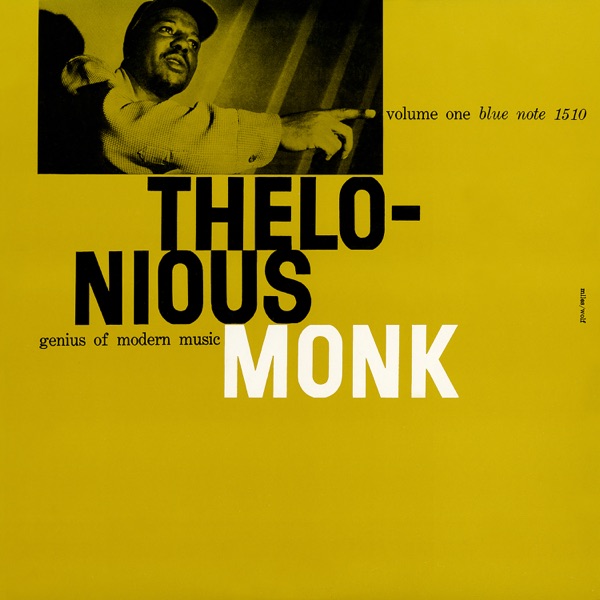
Genius of Modern Music, Volume 1 1951

Monk's Dream 1963
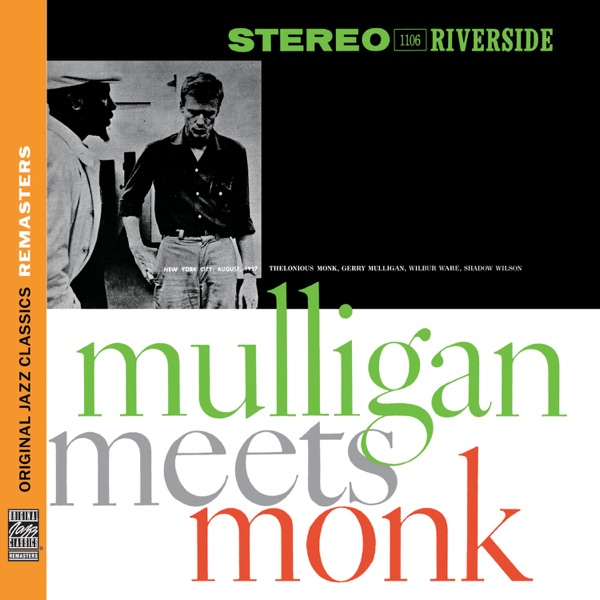
Mulligan Meets Monk 1957
The musicians on this record
♫
Django 1959
Milt Jackson
plays vibraphone here
plays vibraphone here

A Night in Tunisia 1960
Art Blakey
plays drums (drum set) here
plays drums (drum set) here