Stitt in the City: A Bebop Quartet in Focus
Stitt's tone cuts clean and warm over Jones's swinging piano, no excess, just the music.
New York Jazz arrived in 1956 as a straightforward hard bop session with little fanfare—a working quartet captured on tape, released without the critical buildup that attended Stitt's better-known recordings. It was a solid mid-career document from a saxophonist still consolidating his voice after years of touring relentlessly across the country. The album never became a standard entry point to Stitt's work, and it trades the high-wire energy of his more celebrated sessions for something steadier: a portrait of a musician who had stopped trying to prove anything and simply played.
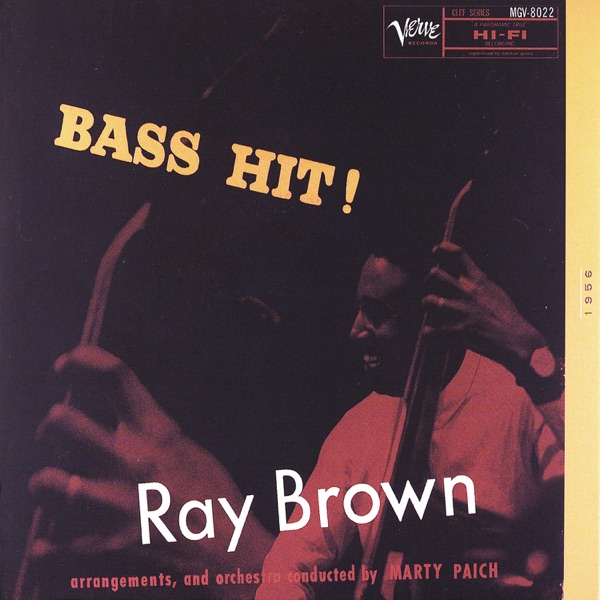
The core appeal here is restraint. Sonny Stitt leads a quartet of straightforward accompanists—Jimmy Jones on piano, Ray Brown on bass, and Jo Jones on drums—and the date unfolds as a study in controlled swing. There are no extended solos pushing into territories Stitt hadn't explored; instead, he settles into his lines with a warm, direct tone, letting the material breathe. The rhythm section holds steady without theatrics. Brown and Jones know their job and do it well. This is bebop in its working mode, not its heroic mode.
The record sits comfortably in Stitt's discography as representative rather than revelatory—a reminder that not every session needs to chase innovation. For listeners already drawn to Stitt's approach, it offers exactly what the title promises: jazz recorded in New York, played by professionals who understood the idiom from the inside. It's not where to start, but it's where a committed listener learns what Stitt sounded like when the stakes felt lowest.
Who's playing
Where next?
More by Sonny Stitt

Sonny Stitt Bud Powell J.J. Johnson 1956

Kaleidoscope 1957

Only the Blues 1958

The Saxophones Of Sonny Stitt 1957
The musicians on this record
Their own records, close in time