Playing It Like She Meant It
Nina Simone grew up in North Carolina wanting to be a concert pianist. She studied seriously, applied to the Curtis Institute in Philadelphia, and was rejected — something she believed was because she was African American. That rejection rerouted her entire life. She started playing piano in Atlantic City bars to pay for music lessons, and because the club owner insisted she also sing, she sang. What came out was not what anyone expected from a classically trained pianist playing a lounge gig.
Her piano playing is the thing that doesn't get talked about enough. She had a left hand that could anchor a song like a bass player and a right hand that moved like someone who had spent years inside Bach and Brahms. That classical training gave her voicings and rhythmic independence you don't hear from other jazz pianists — it's part of why her records feel so physically different from anyone else's. She wasn't playing jazz the way jazz pianists played jazz. She was playing it from a completely different angle.
The civil rights years are central to understanding her output. Mississippi Goddam (1964) came out raw and furious after the bombing of the 16th Street Baptist Church in Birmingham. She wrote it in an hour, she said, and you can feel that — it's not a polished protest song, it's a person who has run out of patience. Songs like that cost her radio play and bookings in the American South, and she didn't care. That willingness to say exactly what she thought, regardless of commercial consequence, runs through everything she did.
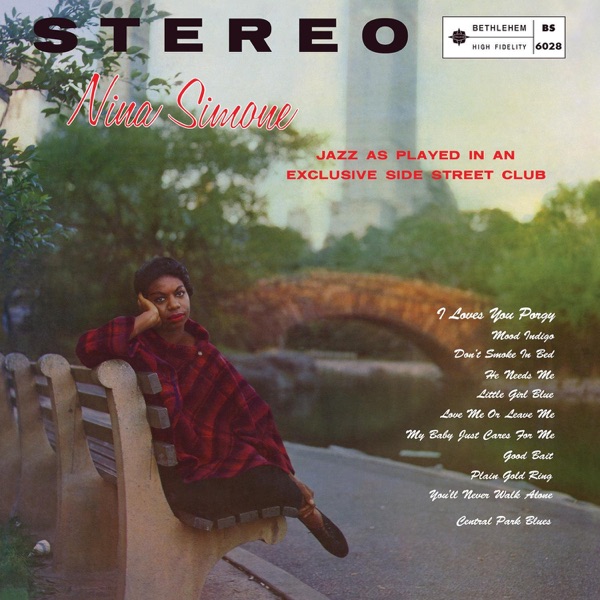
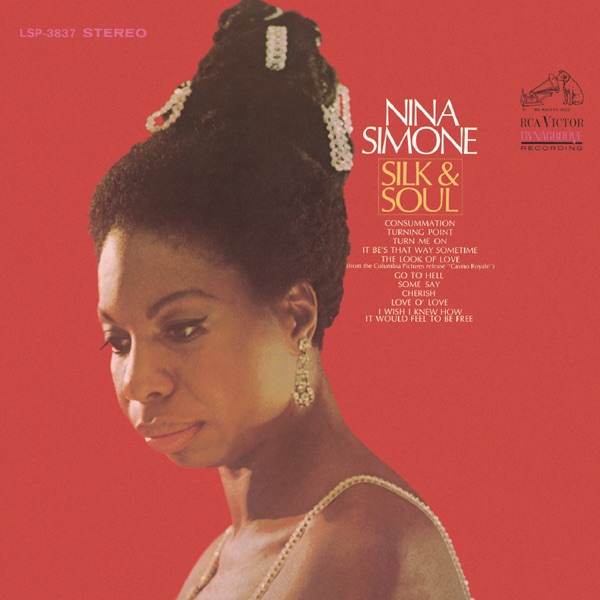
Her catalog is genuinely wide. Little Girl Blue (1958) is a good starting point — intimate, mostly piano and voice, the classical training sitting right next to the blues. I Put a Spell on You (1965) shows her at her most theatrical. Baltimore (1978), recorded after she'd left the United States and was living in Liberia, is quieter and more searching, and often gets skipped over. Don't skip it. The Randy Newman title track alone is worth the whole record.
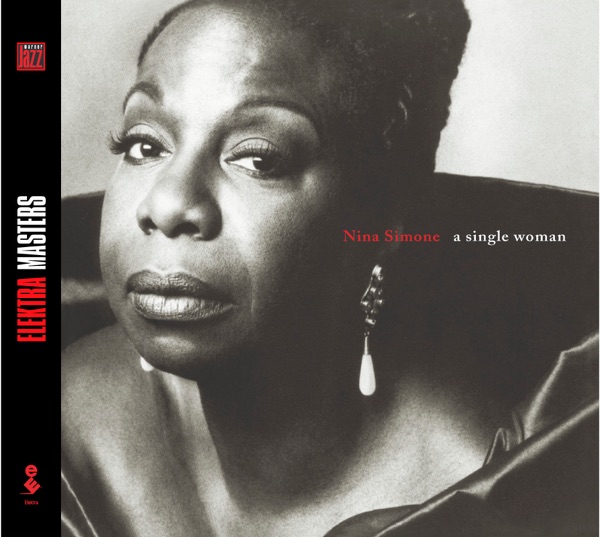
She spent her later decades in Europe, mostly in the south of France, and was famously difficult — unpredictable on stage, openly contemptuous of audiences she felt weren't paying attention, sometimes brilliant, sometimes erratic. Her reputation was complicated while she was alive. Since her death in 2003, the reappraisal has been enormous, partly because younger musicians and listeners discovered her through samples and film placements and came back to find a catalog deeper and stranger than they expected. She tends to do that — you find one record and then you find yourself going through all of them.