The Voice That Apartheid Couldn't Silence
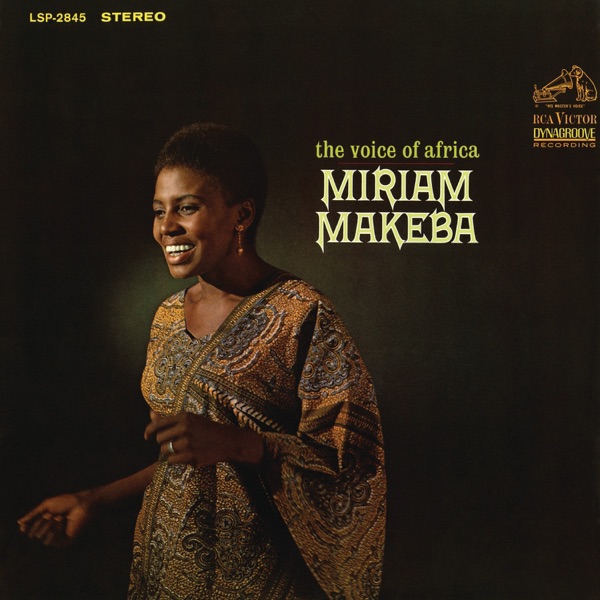
Before she was 'Mama Africa,' Makeba was just a singer in Johannesburg working her way through the Manhattan Brothers and a group called the Skylarks, learning how to blend township harmonies with the American jazz records everyone was sneaking in on vinyl. You can hear that mix in everything she did later — a voice trained on gospel and marabi that could also sit comfortably next to a Harry Belafonte calypso arrangement. She wasn't trying to be a jazz singer in the Ella Fitzgerald sense. She was doing something closer to translation, carrying South African sound into rooms that had never heard it before.
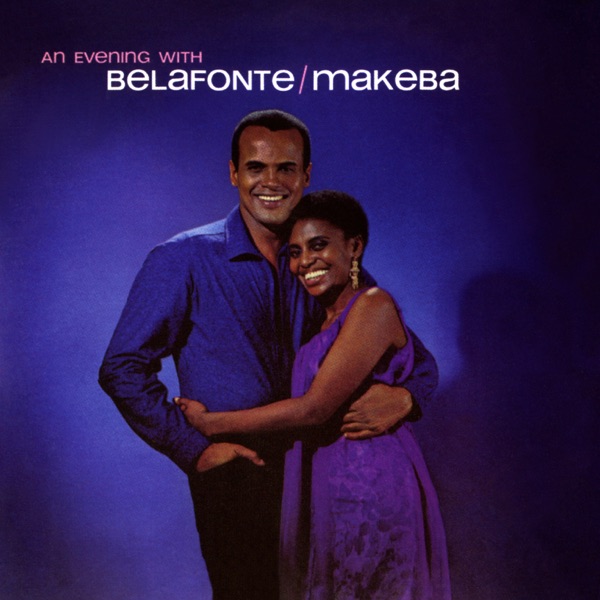
The break came almost by accident. She appeared in the 1959 anti-apartheid documentary 'Come Back, Africa,' and when she traveled abroad for its premiere, the South African government canceled her passport. Just like that, she couldn't go home. Harry Belafonte took her under his wing in New York, and their duet album An Evening with Belafonte/Makeba (1965) won a Grammy — the first ever awarded to an African artist. 'Pata Pata,' recorded a couple years later, became the song most people know her for, a deceptively simple dance tune that turned into an international hit almost against its own will.
What's easy to forget, if you only know the hits, is how political her whole life was, not as a pose but as a fact of circumstance. She married Hugh Masekela for a while, and later married Stokely Carmichael, a decision that got her blacklisted and dropped by American labels overnight. She moved to Guinea, kept performing, kept speaking at the UN about apartheid, and became the kind of exile who makes a government nervous just by existing in the world press. She didn't come back to South Africa until 1990, invited personally by Nelson Mandela after his release — thirty-one years after she'd left.
Musically, she's not someone you put on to study chord changes. Her gift was phrasing and presence — the way she could turn a click consonant into a rhythm instrument, the way she sold a lyric in Xhosa to a room that didn't understand a word of it. She collaborated with jazz musicians her whole career, recorded with Belafonte, toured with Masekela's horn lines behind her, but she was always her own genre, really — Afro-pop before the term existed, protest music that happened to groove. She died in Italy in 2008, right after a concert in support of a writer who'd been threatened for exposing organized crime. Still singing for a cause at seventy-six. That tells you most of what you need to know.