1967 · Album
Silk & Soul
RCA Victor · Released: October 1967 · Album Number: Thirteenth studio album
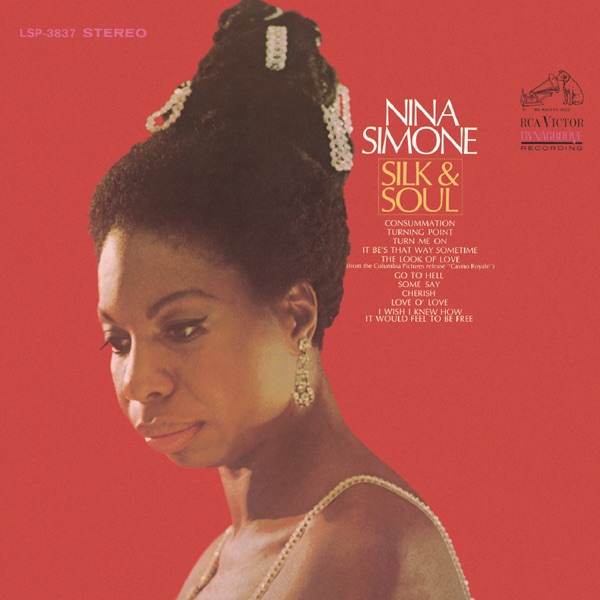
Nina Simone's Defiant Statement in 1967
Silk & Soul captures Simone at a moment when her music and politics became impossible to separate.
By 1967, Nina Simone had spent years channeling rage and hope into her piano. Silk & Soul arrived during one of the most turbulent periods in American history, and the album doesn't shy away from that reality. The record opens with "Go to Hell," a track that announces exactly what kind of conversation Simone wants to have. There's no ambiguity here — she's angry, she's done performing for comfort, and she wants you to know it.
What makes this album work is that Simone never lets the politics overwhelm the musicianship. She's still a brilliant pianist, still commanding every moment she's at the keyboard. The cover of "I Wish I Knew How It Would Feel to Be Free" becomes something more than a standard — it's a meditation on a freedom that still felt distant in 1967. Simone bends the song toward her own vision, making it personal rather than preachy. The arrangements give her space to move, to push, to demand attention.
Silk & Soul sits squarely in the middle of her catalog — not early work, not late career, but right at the center where her gifts as a musician merged completely with her conscience as an activist. If you know her only from her most famous recordings, this album shows you a different angle: Simone unfiltered, working through material that mattered to her in real time. It's a solid record from someone who refused to be just an entertainer anymore.
Who's playing
Gene Taylorelectric bass guitar
Eric Galeelectric guitar
Rudy Stevensonelectric guitar
Bernard “Pretty” Purdiedrums
Ernest Hayesharpsichord


