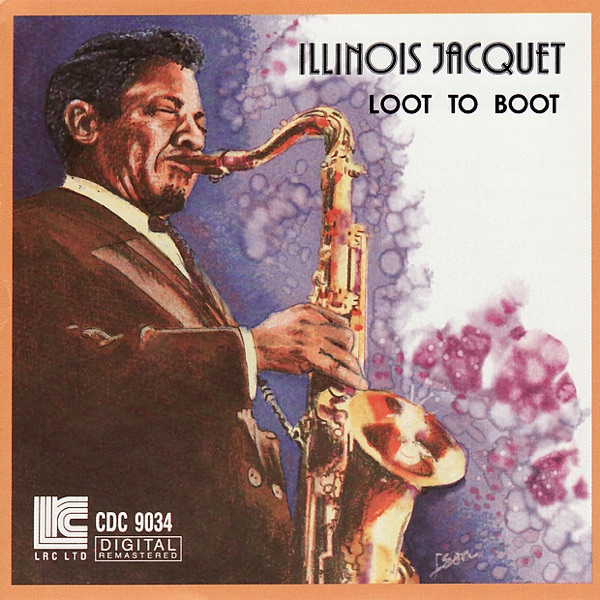
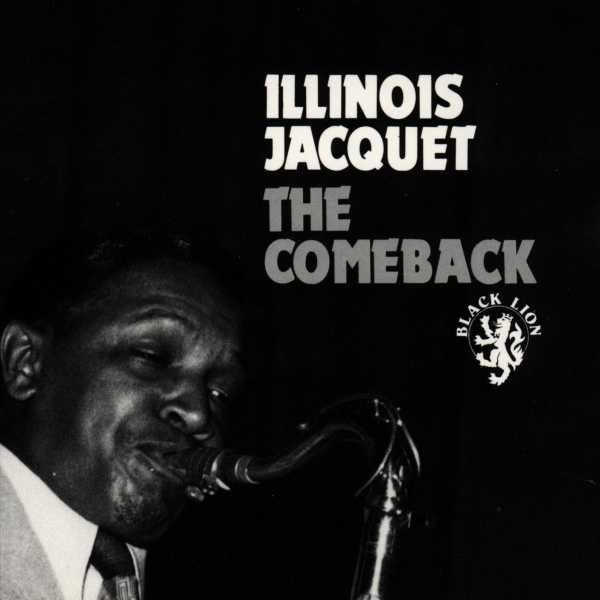
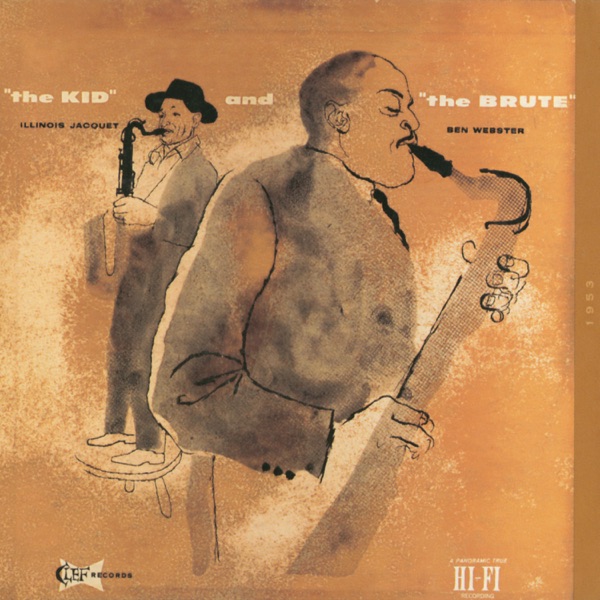
The Man Who Made Horns Scream
If you want to understand why so many R&B and rock saxophone solos sound the way they do, you can trace a lot of it back to one recording session in 1942. Illinois Jacquet, barely out of his teens, stood up in front of Lionel Hampton's orchestra and tore into a solo on 'Flying Home' that was loud, repetitive, honking, and absolutely electrifying. It wasn't subtle. It wasn't supposed to be. Audiences lost their minds every time he played it live, and that solo basically became a blueprint for the next twenty years of tenor sax playing in rhythm and blues.
Jacquet grew up in Houston, which matters, because Texas tenor players had a reputation for a big, raw, blues-soaked sound that was different from the cooler New York approach. You hear that Texas thing in Jacquet right away — he wasn't interested in being delicate. He wanted to move a room. After the Hampton gig he played with Cab Calloway and later spent real time in Count Basie's band, which gave him a different kind of education: how to swing hard without losing control, how to build a solo with some architecture instead of just noise.
What's easy to miss if you only know him from 'Flying Home' is how good a ballad player he was. Put on something slower and you get a completely different musician — patient, warm, full of the kind of tone that made other saxophonists jealous. He also spent years as one of the stars of Norman Granz's Jazz at the Philharmonic tours, trading solos with guys like Coleman Hawkins and Charlie Parker in those loose, competitive jam-session concerts that were half jazz show, half prizefight. Jacquet thrived in that format because he understood showmanship without ever faking the substance underneath it.
Later in his career he picked up the bassoon, which almost nobody in jazz was doing, and kept leading his own big band well into his later years, keeping that swing-era sound alive long after most people had moved on from it. He never chased bebop or free jazz trends just to stay current. He knew what he did well and he kept doing it, refining it, and playing it in front of people who wanted to feel something immediate. That's not a small thing. A lot of musicians spend careers trying to sound more modern; Jacquet spent his making sure the thing he already had stayed sharp.
If you're new to him, don't start by thinking of Illinois Jacquet as a footnote to Lionel Hampton's band. Start by listening to how much fun he's clearly having, how physical his playing is, and how directly it still connects to rock and roll saxophone decades later. He didn't need to be complicated to be important.